
Rock Types Chart
Rock Types Chart - Sedimentary rocks originate when particles settle out of water or air, or by precipitation of minerals from water. Learn their characteristics and get examples of each type. Photographs and information for a large collection of igneous, metamorphic and. Web learn about the three types of rocks: Web here's how to identify 44 of the most common igneous, sedimentary, and metamorphic rock types with a handy rock identification chart. All that is needed is enough heat and/or pressure to alter the existing rock’s physical or chemical makeup without melting the rock entirely. Web let’s explores the nature of igneous rocks, their types, formation processes, properties, classification, and textures. By comparing your rock sample with photographic examples, you can identify key characteristics such as how the rock was formed, what minerals and other materials it contains, and. Igneous rocks form when molten rock (magma or lava) cools and solidifies. They are categorized based on their origin, texture, and mineral composition. Learn their characteristics and get examples of each type. Web any type of rock—igneous, sedimentary, or metamorphic—can become a metamorphic rock. Additionally, different classification systems exist for each major type of rock. Photographs and information for a large collection of igneous, metamorphic and. Igneous rocks form when molten rock (magma or lava) cools and solidifies. They are categorized based on their origin, texture, and mineral composition. By comparing your rock sample with photographic examples, you can identify key characteristics such as how the rock was formed, what minerals and other materials it contains, and. Web learn about the three types of rocks: Sedimentary rocks originate when particles settle out of water or air, or by precipitation of minerals from water. Web in geology, pictures of rocks can be used to help you best determine which of the three major types a particular rock belongs to: Learn their characteristics and get examples of each type. Web in geology, pictures of rocks can be used to help you best determine which of the three major types a particular rock belongs to: Igneous rocks form when molten rock (magma or lava) cools and solidifies. All that is needed is enough heat and/or pressure to alter the existing rock’s. There are three major types of rock: Web any type of rock—igneous, sedimentary, or metamorphic—can become a metamorphic rock. Additionally, different classification systems exist for each major type of rock. They are categorized based on their origin, texture, and mineral composition. Learn their characteristics and get examples of each type. Sedimentary rocks originate when particles settle out of water or air, or by precipitation of minerals from water. Web let’s explores the nature of igneous rocks, their types, formation processes, properties, classification, and textures. Web use these tables to find the rock type that most closely aligns with the properties of your rock. Photographs and information for a large collection. Sedimentary rocks originate when particles settle out of water or air, or by precipitation of minerals from water. Web use these tables to find the rock type that most closely aligns with the properties of your rock. Web any type of rock—igneous, sedimentary, or metamorphic—can become a metamorphic rock. Web there are three kinds of rock: Photographs and information for. Additionally, different classification systems exist for each major type of rock. All that is needed is enough heat and/or pressure to alter the existing rock’s physical or chemical makeup without melting the rock entirely. Igneous rocks form when molten rock (magma or lava) cools and solidifies. Arrows connecting the three rock types show the processes that change one rock type. They are categorized based on their origin, texture, and mineral composition. Web in geology, pictures of rocks can be used to help you best determine which of the three major types a particular rock belongs to: Web let’s explores the nature of igneous rocks, their types, formation processes, properties, classification, and textures. Igneous rocks form from the solidification of molten. Web use these tables to find the rock type that most closely aligns with the properties of your rock. Photographs and information for a large collection of igneous, metamorphic and. Igneous rock, metamorphic rock, and sedimentary rock. By comparing your rock sample with photographic examples, you can identify key characteristics such as how the rock was formed, what minerals and. Web there are three kinds of rock: Additionally, different classification systems exist for each major type of rock. Web let’s explores the nature of igneous rocks, their types, formation processes, properties, classification, and textures. There are three major types of rock: By comparing your rock sample with photographic examples, you can identify key characteristics such as how the rock was. Web any unique combination of chemical composition, mineralogy, grain size, texture, or other distinguishing characteristics can describe a rock type. Web let’s explores the nature of igneous rocks, their types, formation processes, properties, classification, and textures. Igneous rocks form from the solidification of molten rock material. Learn their characteristics and get examples of each type. Web learn about the three. Web here's how to identify 44 of the most common igneous, sedimentary, and metamorphic rock types with a handy rock identification chart. Web use these tables to find the rock type that most closely aligns with the properties of your rock. Web learn about the three types of rocks: Igneous rocks form from the solidification of molten rock material. There. Arrows connecting the three rock types show the processes that change one rock type into another. Web in geology, pictures of rocks can be used to help you best determine which of the three major types a particular rock belongs to: They are categorized based on their origin, texture, and mineral composition. Igneous rock, metamorphic rock, and sedimentary rock. Web let’s explores the nature of igneous rocks, their types, formation processes, properties, classification, and textures. Additionally, different classification systems exist for each major type of rock. Igneous rocks form when molten rock (magma or lava) cools and solidifies. Web any unique combination of chemical composition, mineralogy, grain size, texture, or other distinguishing characteristics can describe a rock type. All that is needed is enough heat and/or pressure to alter the existing rock’s physical or chemical makeup without melting the rock entirely. Photographs and information for a large collection of igneous, metamorphic and. By comparing your rock sample with photographic examples, you can identify key characteristics such as how the rock was formed, what minerals and other materials it contains, and. Web here's how to identify 44 of the most common igneous, sedimentary, and metamorphic rock types with a handy rock identification chart. There are three major types of rock: Web learn about the three types of rocks: Igneous rocks form from the solidification of molten rock material. Web any type of rock—igneous, sedimentary, or metamorphic—can become a metamorphic rock.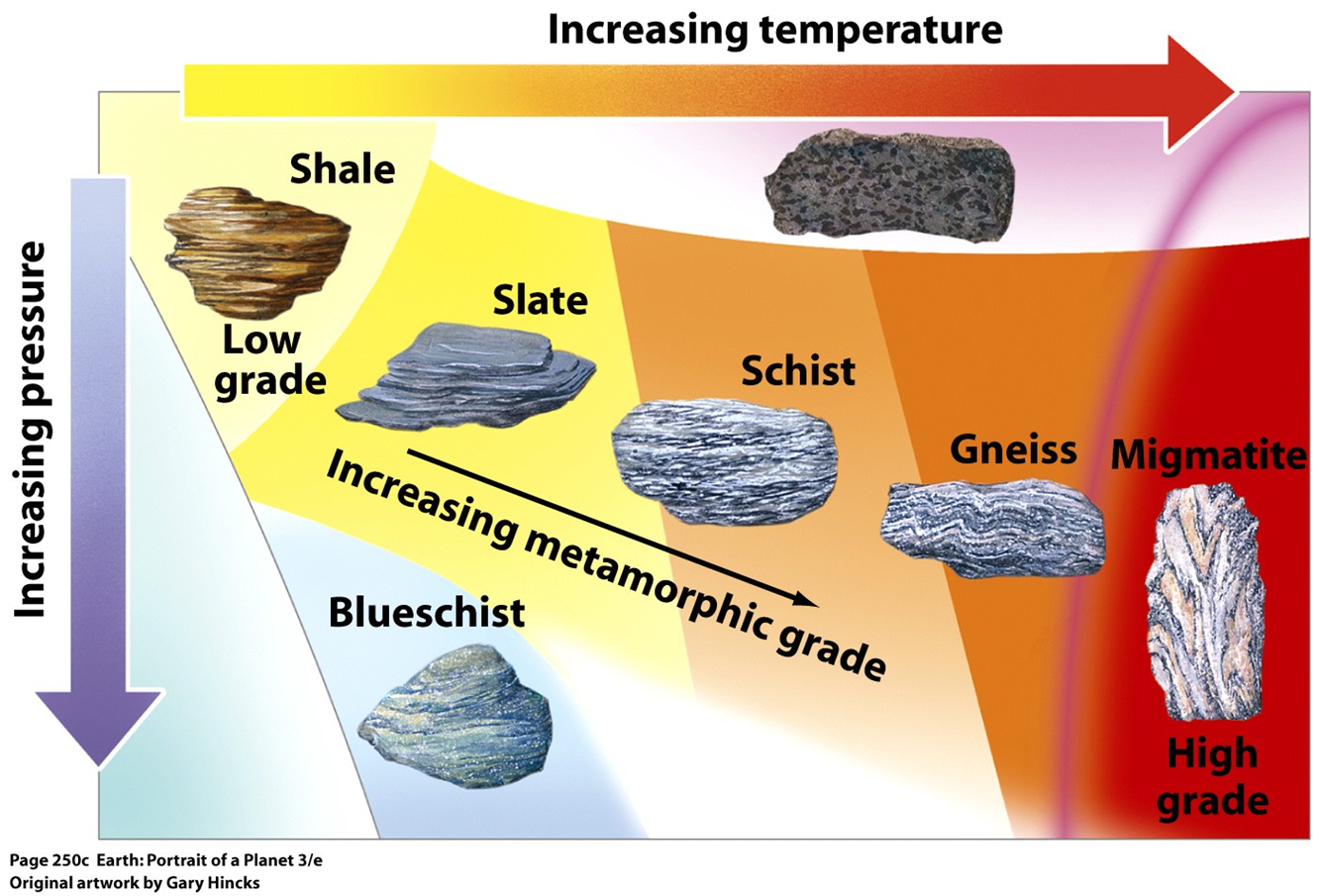
Classifications of Rocks Sedimentary, Igneous and Metamorphic
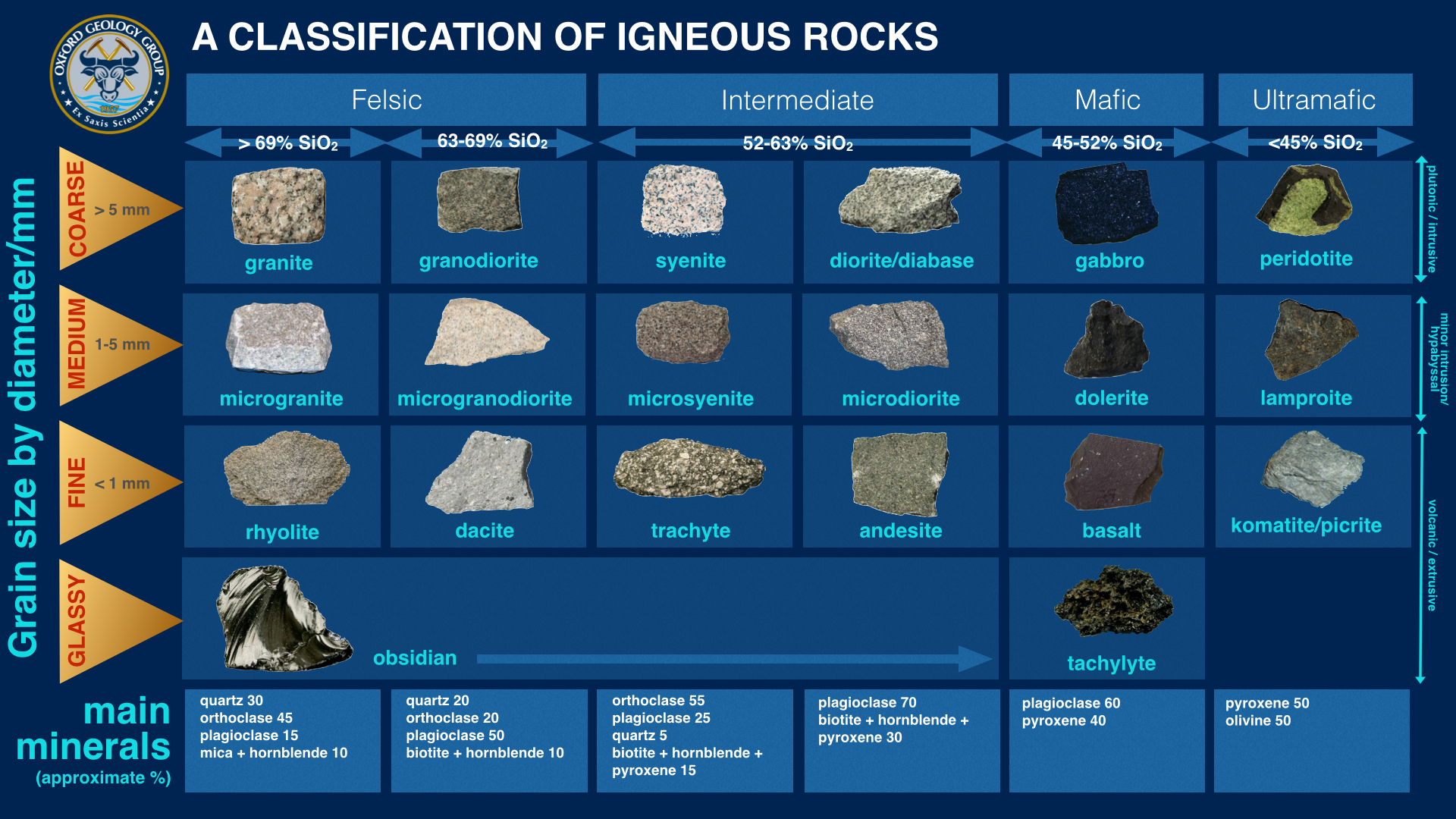
Rocks Earth Science Review
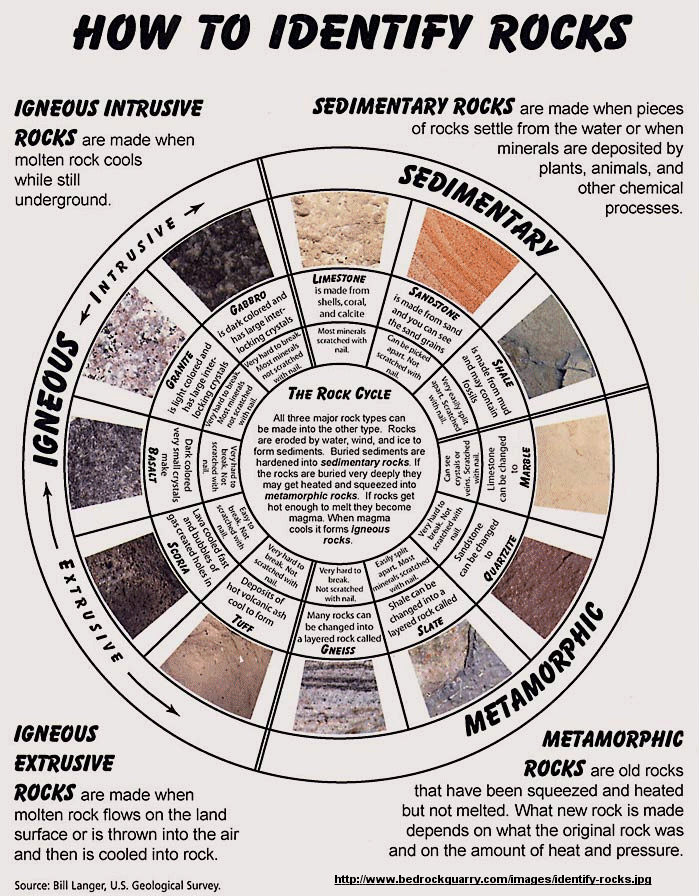
Identifying Rocks Science 6 at FMS
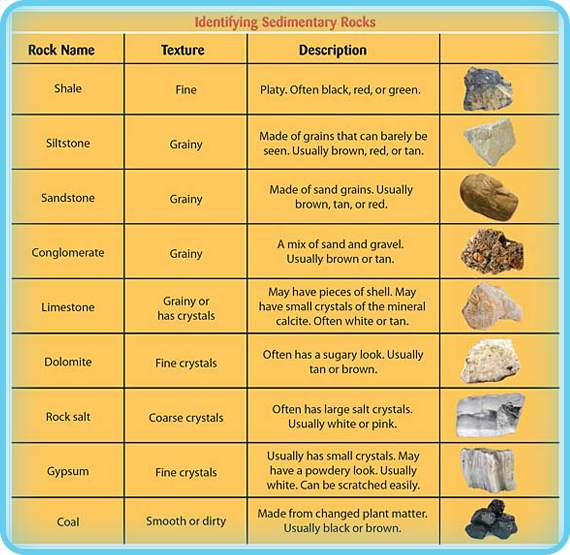
Studying Rocks PowerKnowledge Earth & Space Science

Printable Rock Identification Chart Customize and Print
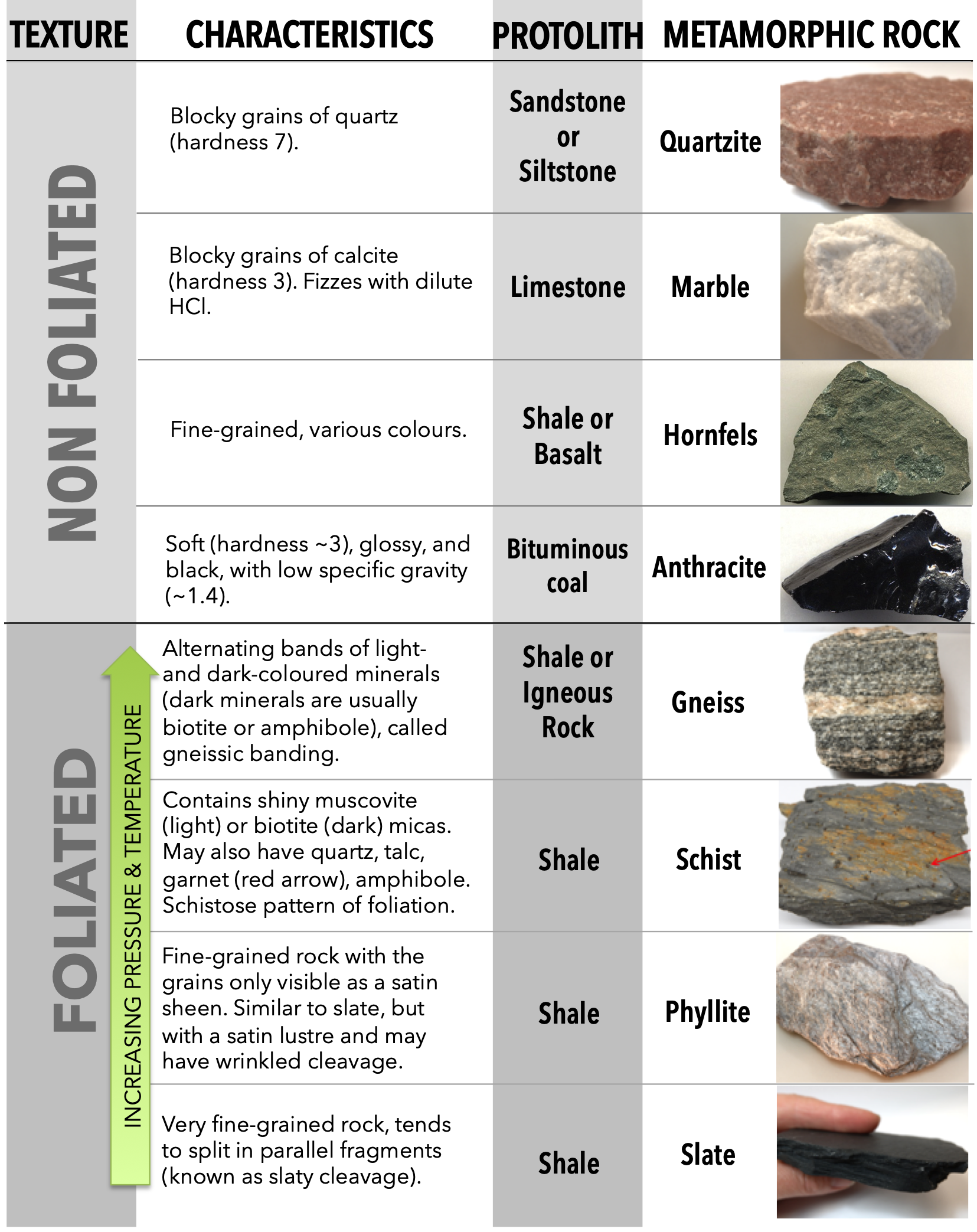
Overview of Metamorphic Rocks Laboratory Manual for Earth Science
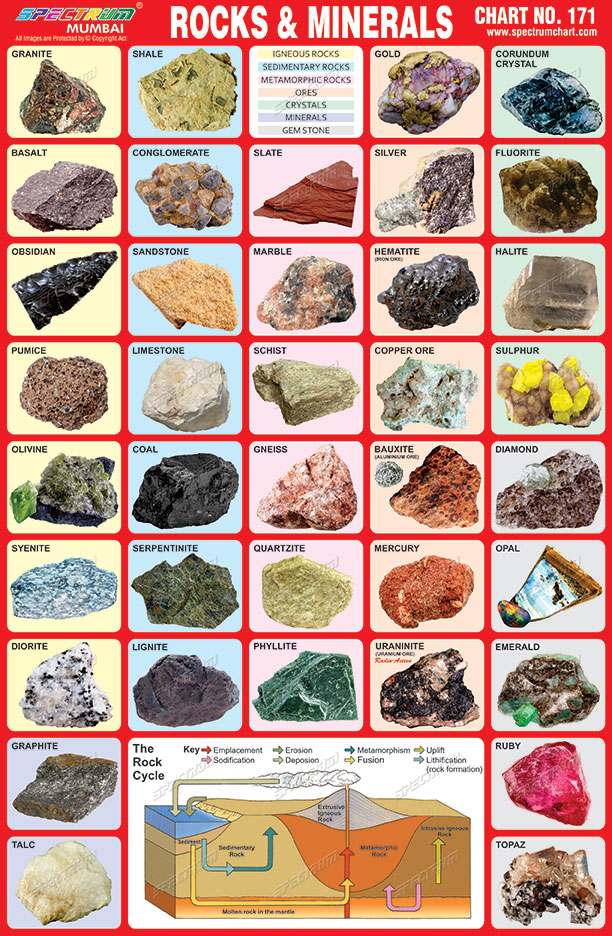
Printable Rock Identification Chart

Chart Of Types Of Rocks

Chart Of Types Of Rocks

Types of Rocks Igneous, Sedimentary, Metamorphic
Web Use These Tables To Find The Rock Type That Most Closely Aligns With The Properties Of Your Rock.
Learn Their Characteristics And Get Examples Of Each Type.
Web There Are Three Kinds Of Rock:
Sedimentary Rocks Originate When Particles Settle Out Of Water Or Air, Or By Precipitation Of Minerals From Water.
Related Post: