
Pocket Watch Size Chart
Pocket Watch Size Chart - Measure the diameter of the movement with a digital gauge. Web get the correct size of your pocket watch with this guide and chart. The sizing system utilized by american watch companies is derived from the lancashire gauge, popularized in the english watchmaking trade. Use this chart to help find the industry “size” of your pocket watch. Pocket watch sizes are based on 30ths of an inch. 1.7 inches x 25.4 = 43.18 millimeters. Grade refers to a watch movement’s size, finish, jewel count, and design—also known as a pocket watch’s finishing traits. Web pocket watch size formula. Web use the size chart below to determine the size of your watch by carefully measuring the pillar plate (dial side) diameter of the movement with a micrometer. ((size + 35) / 30) inches = ((16+35)/30) inches = 51/30 inches = 1.7 inches. ((size + 35) / 30) inches = ((16+35)/30) inches = 51/30 inches = 1.7 inches. 1.7 inches x 25.4 = 43.18 millimeters. For example, for a size 16 watch: The sizing system utilized by american watch companies is derived from the lancashire gauge, popularized in the english watchmaking trade. Web pocket watch size chart. Pocket watch sizes are based on 30ths of an inch. For millimeters, multiply inches by 25.4. Measure the diameter of the movement with a digital gauge. Web pocket watch size formula. Grade refers to a watch movement’s size, finish, jewel count, and design—also known as a pocket watch’s finishing traits. Learn about common mistakes when measuring the sizes of your pocket watches. Web 1 in 2 3 in 5 2 in 3 4 in 5 5 in 6 8 in 15 7 in 10 9 in 10 17 in 30 19 in 30 23 in 30 13 in 15 14 in 15 1in 2in 1 in 1 30 1 in. Web use the size chart below to determine the size of your watch by carefully measuring the pillar plate (dial side) diameter of the movement with a micrometer. Learn about common mistakes when measuring the sizes of your pocket watches. Web 1 in 2 3 in 5 2 in 3 4 in 5 5 in 6 8 in 15 7. Web a numerical and graphical chart of the different sizes of watches you will find on our site, plus a table of pocket watch chain weight classes. 1.7 inches x 25.4 = 43.18 millimeters. ((size + 35) / 30) inches = ((16+35)/30) inches = 51/30 inches = 1.7 inches. Web pocket watch size formula. For millimeters, multiply inches by 25.4. Learn about common mistakes when measuring the sizes of your pocket watches. Diameter of movement = ((size + 35) / 30) inches. Web get the correct size of your pocket watch with this guide and chart. Pocket watch sizes are based on 30ths of an inch. For millimeters, multiply inches by 25.4. Diameter of movement = ((size + 35) / 30) inches. The sizing system utilized by american watch companies is derived from the lancashire gauge, popularized in the english watchmaking trade. Grade refers to a watch movement’s size, finish, jewel count, and design—also known as a pocket watch’s finishing traits. For example, for a size 16 watch: Learn about common mistakes. Web 1 in 2 3 in 5 2 in 3 4 in 5 5 in 6 8 in 15 7 in 10 9 in 10 17 in 30 19 in 30 23 in 30 13 in 15 14 in 15 1in 2in 1 in 1 30 1 in 1 15 1 in 1 10 7 in 1. Web use the. Web the serial number can help a collector or horologist determine the production date, where the watch was produced, and is vital in determining historically accurate configurations. Web a numerical and graphical chart of the different sizes of watches you will find on our site, plus a table of pocket watch chain weight classes. Web pocket watch size formula. ((size. For example, for a size 16 watch: Web pocket watch size formula. Grade refers to a watch movement’s size, finish, jewel count, and design—also known as a pocket watch’s finishing traits. Web the serial number can help a collector or horologist determine the production date, where the watch was produced, and is vital in determining historically accurate configurations. Web get. Measure the diameter of the movement with a digital gauge. Learn about common mistakes when measuring the sizes of your pocket watches. Diameter of movement = ((size + 35) / 30) inches. For millimeters, multiply inches by 25.4. Web a numerical and graphical chart of the different sizes of watches you will find on our site, plus a table of. Measure the diameter of the movement with a digital gauge. Web 1 in 2 3 in 5 2 in 3 4 in 5 5 in 6 8 in 15 7 in 10 9 in 10 17 in 30 19 in 30 23 in 30 13 in 15 14 in 15 1in 2in 1 in 1 30 1 in 1 15. Diameter of movement = ((size + 35) / 30) inches. Web pocket watch size chart. ((size + 35) / 30) inches = ((16+35)/30) inches = 51/30 inches = 1.7 inches. Web 1 in 2 3 in 5 2 in 3 4 in 5 5 in 6 8 in 15 7 in 10 9 in 10 17 in 30 19 in 30 23 in 30 13 in 15 14 in 15 1in 2in 1 in 1 30 1 in 1 15 1 in 1 10 7 in 1. Web pocket watch size formula. Web use the size chart below to determine the size of your watch by carefully measuring the pillar plate (dial side) diameter of the movement with a micrometer. Web get the correct size of your pocket watch with this guide and chart. Web the serial number can help a collector or horologist determine the production date, where the watch was produced, and is vital in determining historically accurate configurations. For millimeters, multiply inches by 25.4. Measure the diameter of the movement with a digital gauge. Web a numerical and graphical chart of the different sizes of watches you will find on our site, plus a table of pocket watch chain weight classes. Use this chart to help find the industry “size” of your pocket watch. Grade refers to a watch movement’s size, finish, jewel count, and design—also known as a pocket watch’s finishing traits. 1.7 inches x 25.4 = 43.18 millimeters.
Antique Pocket Watch Size Chart
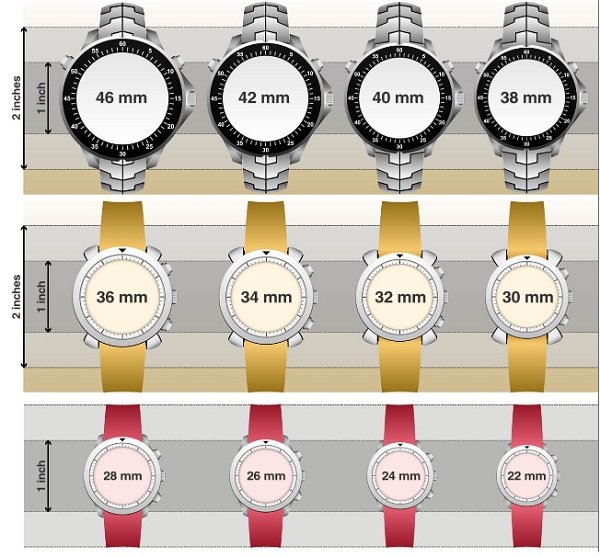
Pocket Watch Dial Sizes Foto Blouse and Pocket
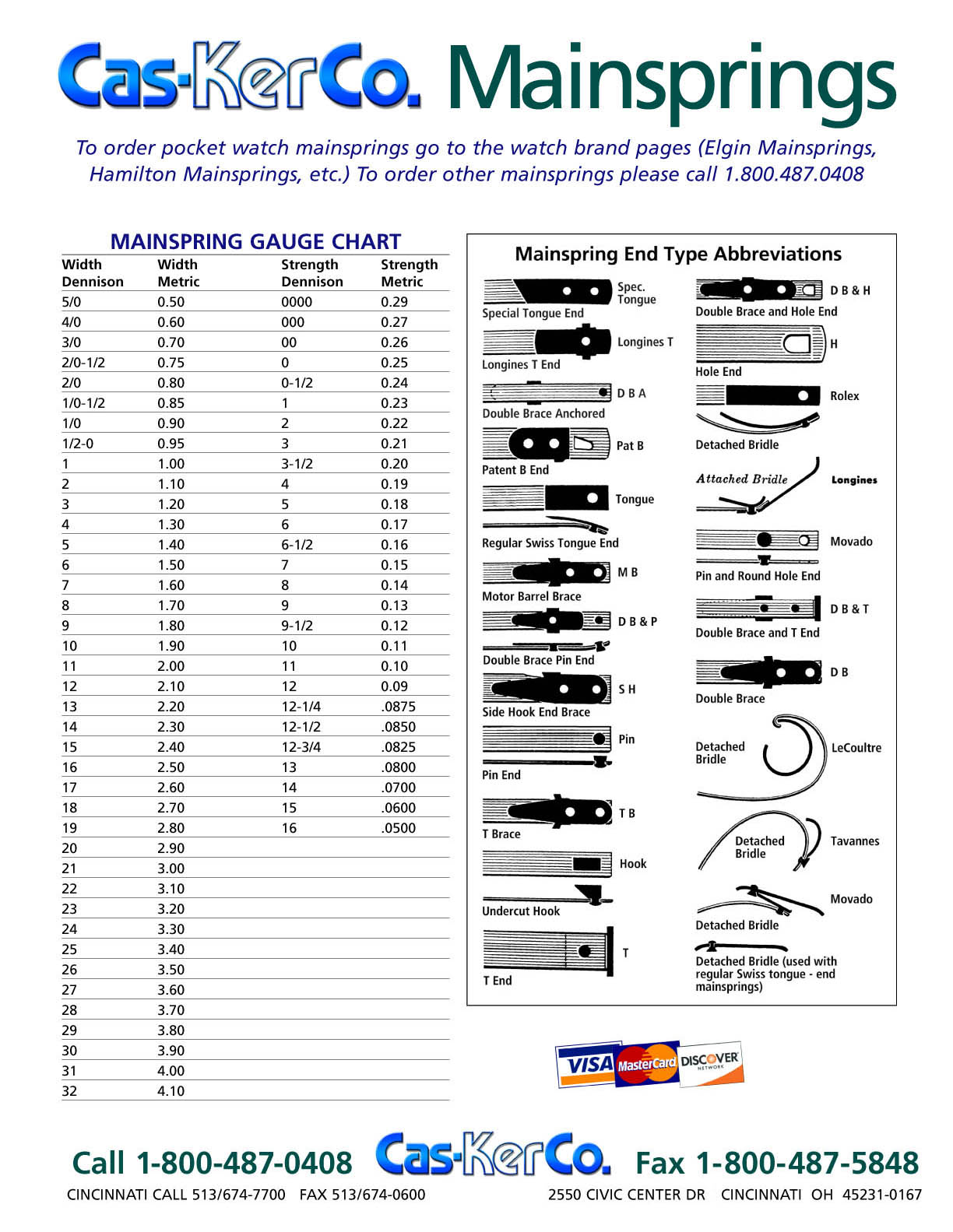
Waltham Pocket Watch Sizes Chart
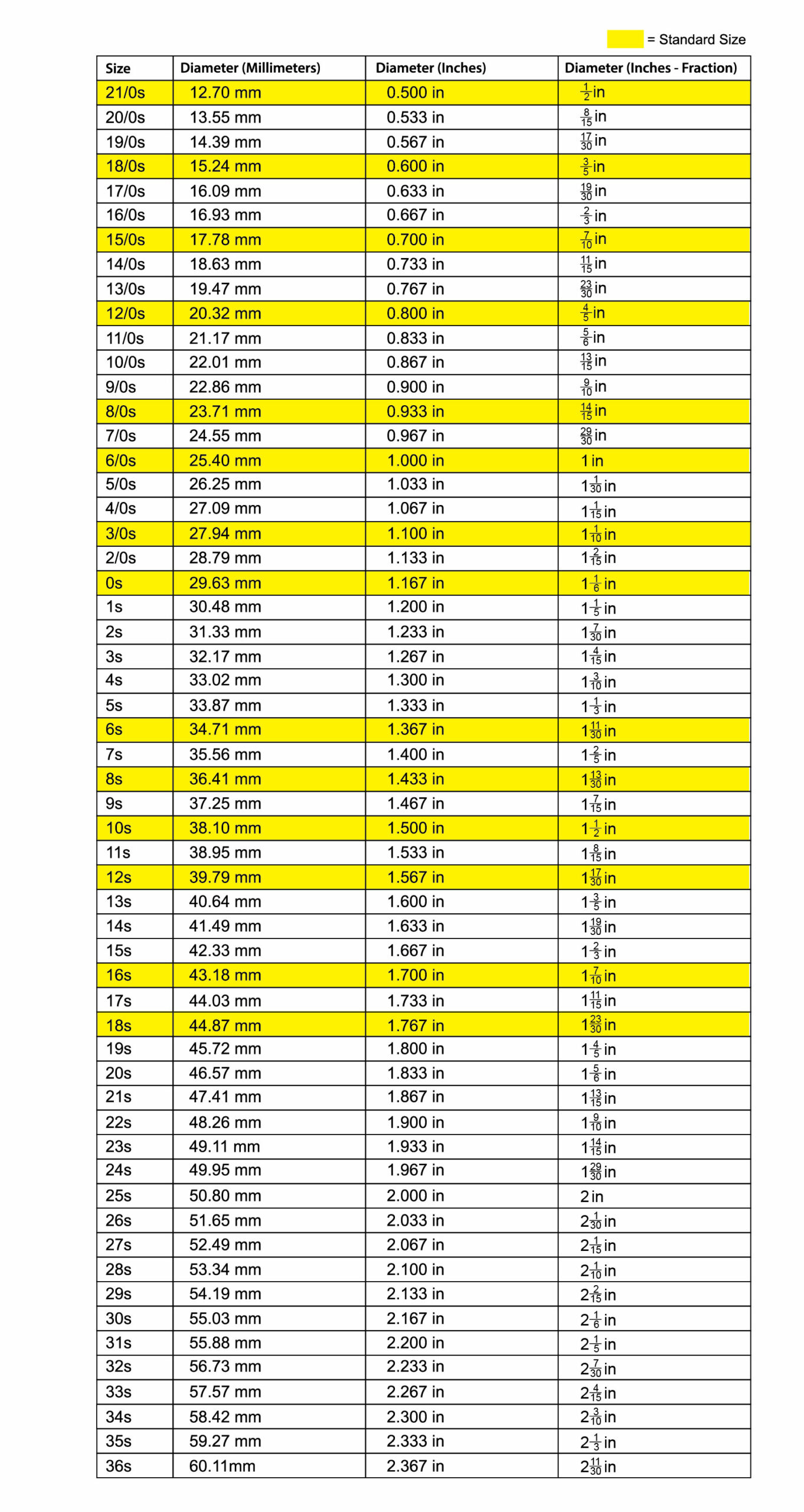
Pocket Watch Size Chart Esslinger Watchmaker Supplies Blog
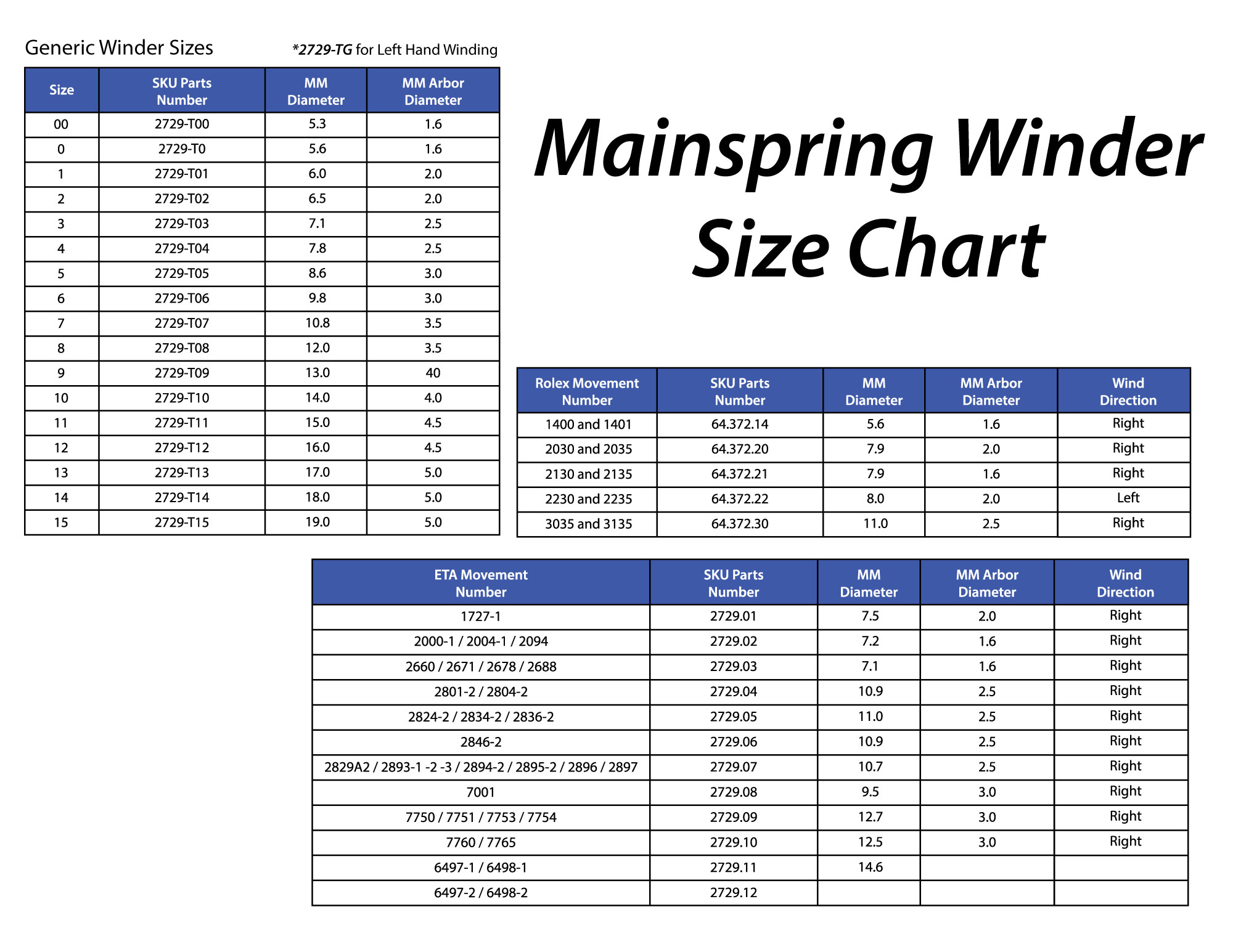
Pocket Watch Size Chart Esslinger Watchmaker Supplies Blog vlr.eng.br
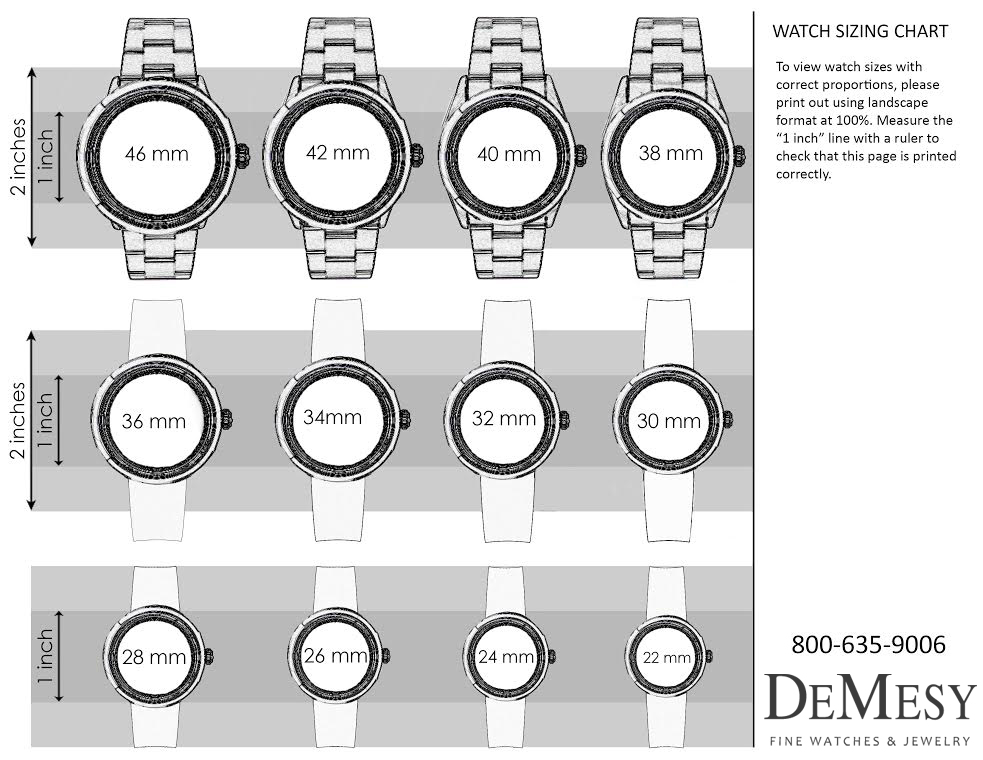
Watch Size Chart amulette

Pocket Watch Sizing Chart

Pocket Watch Hand Size Chart

Pocket Watch Size Chart
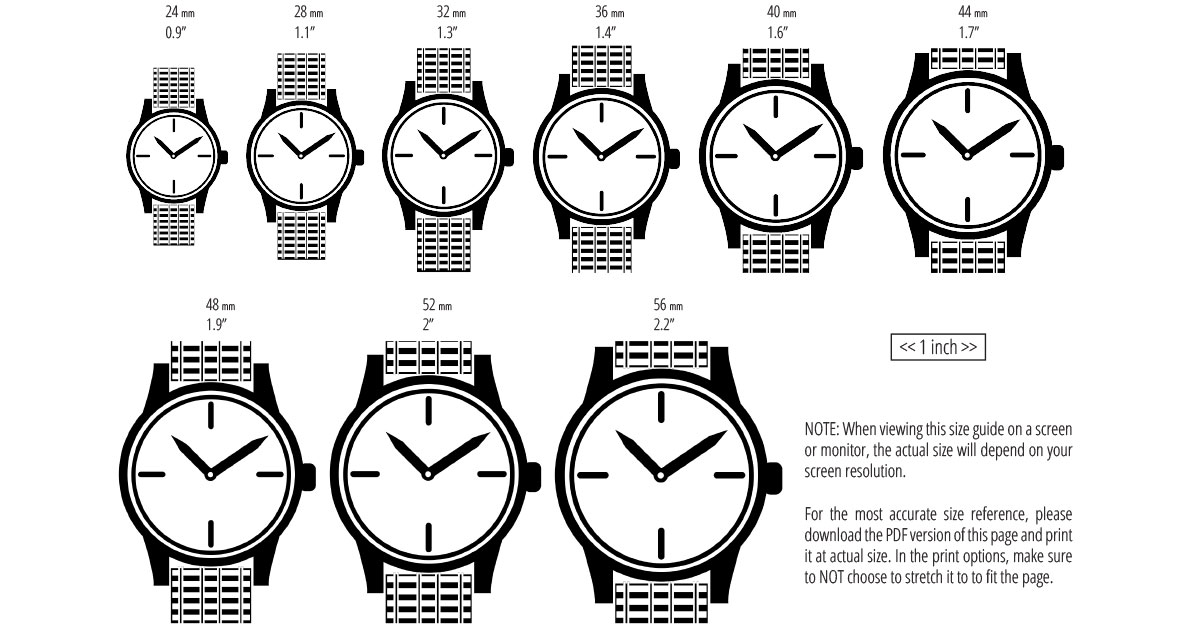
Watch Sizes Guide Which Size Watch is Best for You?
Learn About Common Mistakes When Measuring The Sizes Of Your Pocket Watches.
For Example, For A Size 16 Watch:
Pocket Watch Sizes Are Based On 30Ths Of An Inch.
The Sizing System Utilized By American Watch Companies Is Derived From The Lancashire Gauge, Popularized In The English Watchmaking Trade.
Related Post: