
Pest Droppings Identification Chart
Pest Droppings Identification Chart - Mice, rats, squirrels, chipmunks, etc. Web our expert pest poop guide to easily identify pest droppings in your home or yard. Compare it to the pest droppings/poop chart/diagram to see what type of pest you are dealing with. Web the first step to identifying pests by droppings is understanding what kind of insect, rodent, or larger animal you might be up against. Refer to our diy guide, to prevent and control pests before they damage the inside and outside of your home. Don't forget to clean up any droppings safely and effectively. Learn about common pests and their droppings. Bits of insect feces, or frass, are so small that only a substantial accumulation will usually be noticeable. Pests can be identified by their poop based on size, color, shape, and amount. Lizard poop consists of two distinct parts, a dark brown or black to greenish dropping with a. Knowing where these pests usually leave their feces is also a big help. Web identifying the source of your pest problem is important because different types of pests require different solutions. Bed bugs, lizards, rats, cockroaches, etc. Check out our pest library to help identify. There are many different reasons to learn how to identify wildlife poop. This guide aims to educate you on the distinctive characteristics of droppings from common pests like mice, rats, and cockroaches, helping you take prompt action against infestations. Leave your information below and we’ll be in touch with a free quote! Web in this comprehensive guide, we will explore why it is important to identify rodent droppings, the common types of rodents, how to identify their droppings, how to inspect your home for rodent infestation, what to do if you find rodent droppings, and frequently asked questions about rodent droppings. Refer to our diy guide, to prevent and control pests before they damage the inside and outside of your home. Read on to find out about the most common pest droppings you’re likely to find in your home or business premises. There are many different reasons to learn how to identify wildlife poop. Don't forget to clean up any droppings safely and effectively. Web identifying the source of your pest problem is important because different types of pests require different solutions. Web identifying pests by their droppings can be a crucial skill for homeowners, renters, and property managers. Early detection allows. Compare it to the pest droppings/poop chart/diagram to see what type of pest you are dealing with. Web in this comprehensive guide, we will explore why it is important to identify rodent droppings, the common types of rodents, how to identify their droppings, how to inspect your home for rodent infestation, what to do if you find rodent droppings, and. Web scat & droppings identification key. Web if you have visible insect droppings in your home, you may have a pest infestation. This guide aims to educate you on the distinctive characteristics of droppings from common pests like mice, rats, and cockroaches, helping you take prompt action against infestations. Cockroach droppings resemble coarsely ground pepper, while termite droppings look like. Before you begin to identify scat, consider the health hazards associated it. Lizard poop consists of two distinct parts, a dark brown or black to greenish dropping with a. However, by asking the right questions you can go a long way to reduce the number of available suspects. This indicates that a large number of insects are present. Web in. However, by asking the right questions you can go a long way to reduce the number of available suspects. Pests can be identified by their poop based on size, color, shape, and amount. Lizard poop consists of two distinct parts, a dark brown or black to greenish dropping with a. Web to identify pest droppings, examine their size, shape, color,. Web if you have visible insect droppings in your home, you may have a pest infestation. If you need assistance with removal of your pests call a pest control exterminator. Web understanding the pest by its droppings will help you to learn which animal or insect is invading your property. Web identifying pest droppings can help determine the type of. Exactly what critter has been roaming around your property, and should you be concerned? Cockroach droppings resemble coarsely ground pepper, while termite droppings look like sawdust. Web our expert pest poop guide to easily identify pest droppings in your home or yard. Bed bugs, lizards, rats, cockroaches, etc. There are many different reasons to learn how to identify wildlife poop. Before you begin to identify scat, consider the health hazards associated it. Web proper fecal identification is important as rodent droppings require immediate action, whereas an incidental lizard intrusion is of much less concern. Compare it to the pest droppings/poop chart/diagram to see what type of pest you are dealing with. Web our expert pest poop guide to easily identify. Check out our pest library to help identify. Web our expert pest poop guide to easily identify pest droppings in your home or yard. Web understanding the pest by its droppings will help you to learn which animal or insect is invading your property. This guide aims to educate you on the distinctive characteristics of droppings from common pests like. Web have you ever found droppings in your yard and wanted to know what type of animals are in your local area? Don't forget to clean up any droppings safely and effectively. Learn about common pests and their droppings. Mice, rats, squirrels, chipmunks, etc. Web scat & droppings identification key. Web the identification of rodent droppings is often the first sign of an infestation. Read on to find out about the most common pest droppings you’re likely to find in your home or business premises. Web identifying the source of your pest problem is important because different types of pests require different solutions. Web how do you identify pests by their droppings? Lizard poop consists of two distinct parts, a dark brown or black to greenish dropping with a. Learn about common pests and their droppings. There are three general categories of pests who leave poop behind: Web the first step to identifying pests by droppings is understanding what kind of insect, rodent, or larger animal you might be up against. Regular inspection of the property for droppings is a fundamental practice in effective pest management. Knowing where these pests usually leave their feces is also a big help. Compare it to the pest droppings/poop chart/diagram to see what type of pest you are dealing with. Pests can be identified by their poop based on size, color, shape, and amount. If you need assistance with removal of your pests call a pest control exterminator. Bits of insect feces, or frass, are so small that only a substantial accumulation will usually be noticeable. Before you begin to identify scat, consider the health hazards associated it. Mice, rats, squirrels, chipmunks, etc.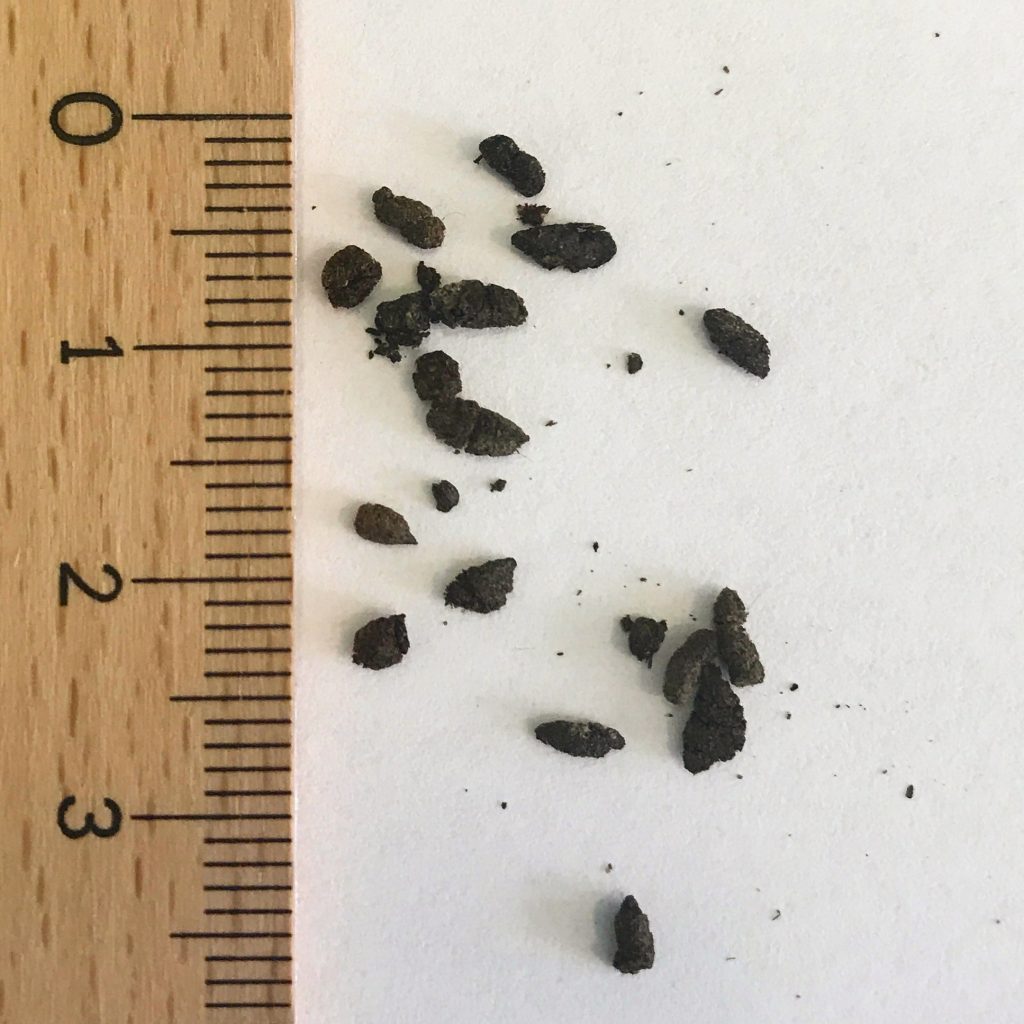
Bat Droppings Identification
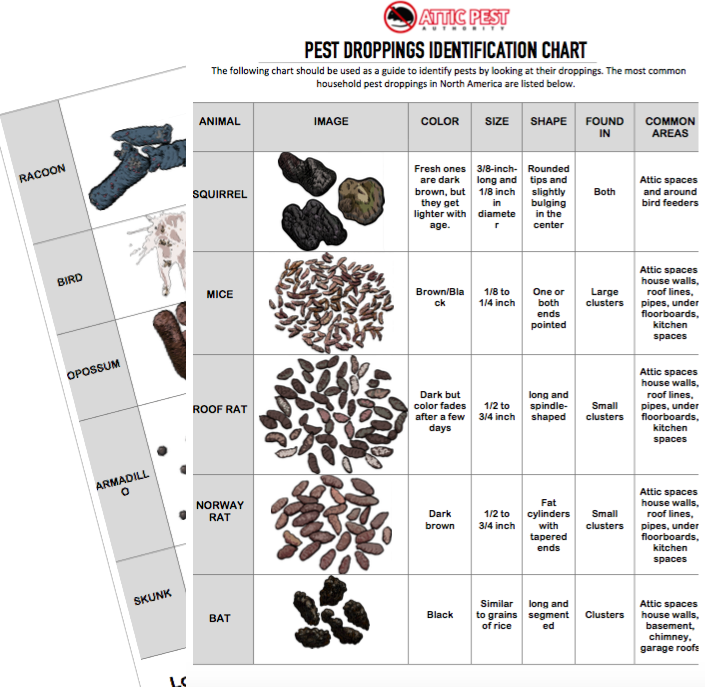
Pest Identification by Their Droppings The Attic Pest Authority

Pest Identification by Their Droppings The Attic Pest Authority
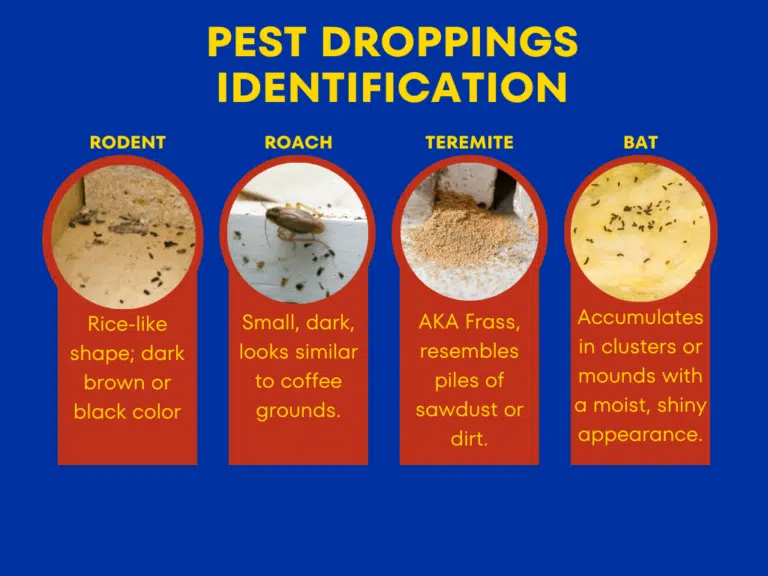
How to Identify Insect & Pest Droppings EarthKind

Detecting Rodent Droppings A Guide To Identifying Pest Infestations
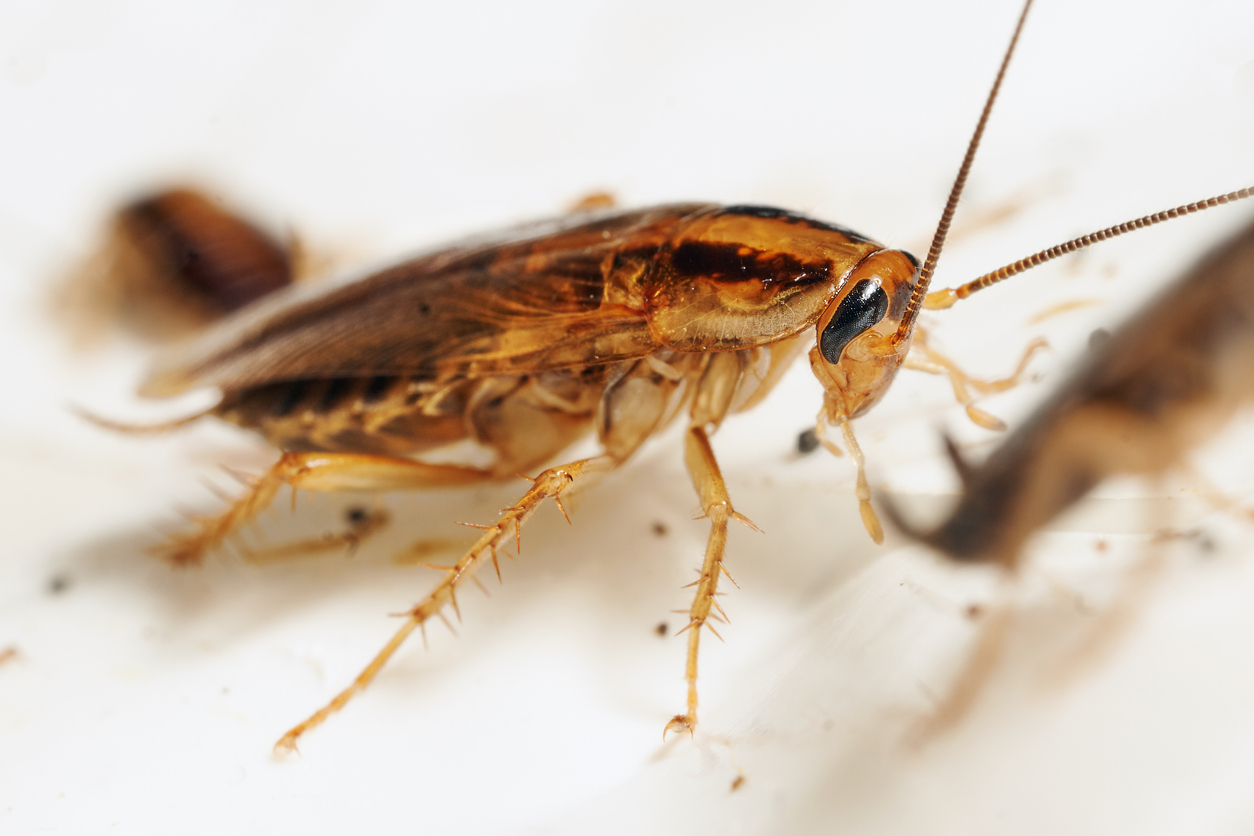
What the Droppings of the 6 Most Common Pests Look Like
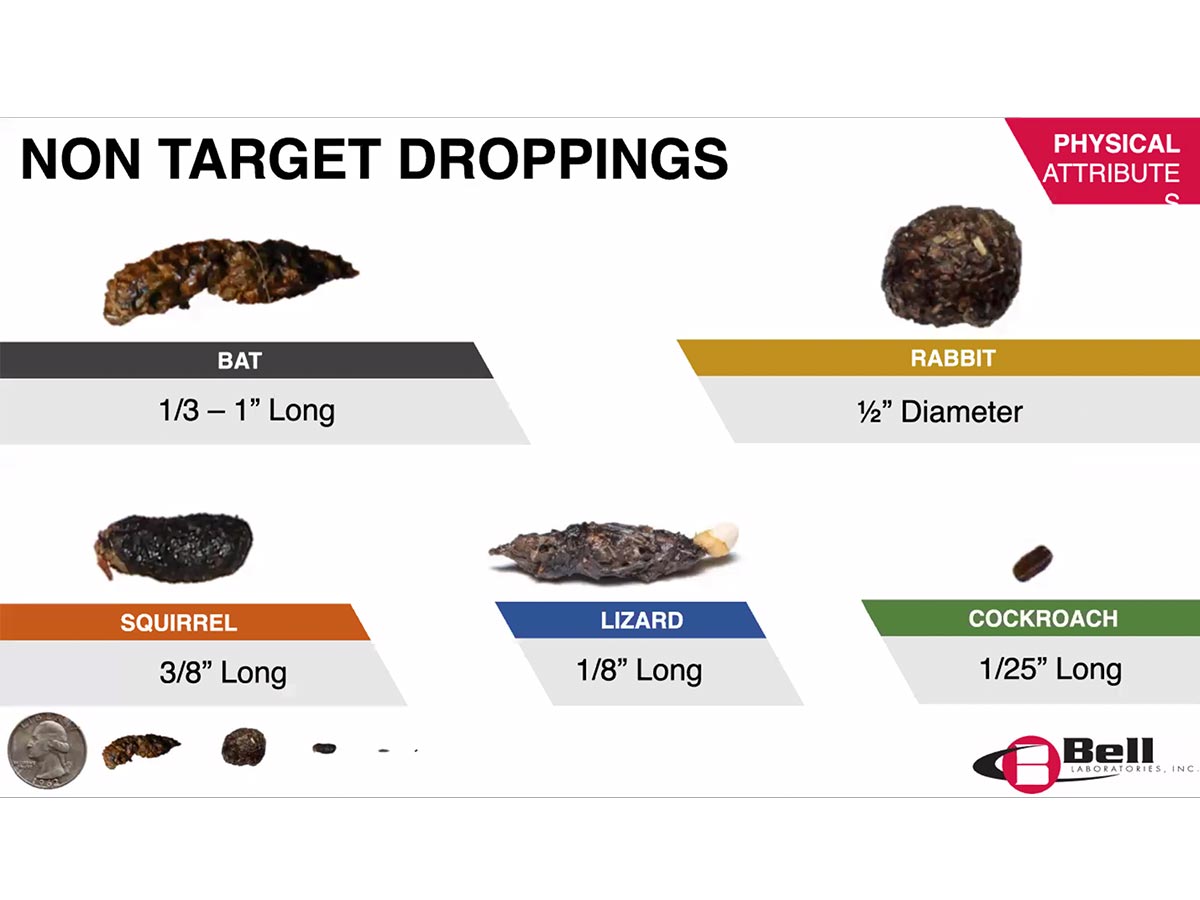
Rodent Droppings The Bug Master

How to identify rat droppings

Rodent Droppings Identification Chart

Pest Droppings Identification Chart
And See Below For More Details On Determining The Type Of Pest In Your Home.
Web A Pest Control Blog Of How To Identify Different Pest Poop That May Be In Your House.
Here Are A Few Tips That Will Help You Identify Which Pest Is Bugging You.
Leave Your Information Below And We’ll Be In Touch With A Free Quote!
Related Post: