
Peds Burn Chart
Peds Burn Chart - Management of these injuries and their consequences will be part of most busy general pediatric practices. (see treatment of minor thermal burns.) Web the total body surface area (tbsa) of a burn was traditionally assessed using lund and browder burns chart that denotes the percentage of body surface and changes with age of the child (fig 2). Identify surface area of burn and significance guidelines and transport guidelines fluid management. Adults < 15%, peds < 10%; Web rule of nines for burns: Burns are painful wounds caused by thermal, cold, electrical, chemical or electromagnetic energy. Scalding injuries are more prevalent in children <5years of age, while flame/fire is most prevalent at all other age groups. Many burn centers prefer lactated ringers unless shock liver or hepatic failure suspected; Great for emts, pediatrics, nursing, and more! Angela gibson, md, phd melissa beltran, msn, rn, ccrn. Management of these injuries and their consequences will be part of most busy general pediatric practices. Key points for the anaesthesiologist. Web rule of nines for burns: Rule of nines for burns made easy: Consequently, burns may be deeper and more severe than they initially appear (american burn association, 2018). Web indications based on total body surface area of burn. Include only partial (second degree) and full thickness (third degree) burns. ( american burn association 2013 report) Both infants and older adults are at the greatest risk for burn injury. Web this topic will review the emergency management of moderate to severe thermal burns in children ( table 1 ). Adults < 15%, peds < 10%; Angela gibson, md, phd melissa beltran, msn, rn, ccrn. (see treatment of minor thermal burns.) Rule of nines for burns made easy: (see treatment of minor thermal burns.) Scalding is the leading cause of burn injury in children. Toddlers and children are more often burned by a scalding or flames. Rule of nines for burns made easy: Web burn injuries are common in children. Colloids generally not used unless burns > 40% tbsa Children are hospitalized with burn injuries. Toddlers and children are more often burned by a scalding or flames. Scalding injuries are more prevalent in children <5years of age, while flame/fire is most prevalent at all other age groups. Categorize burn depth and its significance. Although most burns in children are small and can be managed with care provided in the outpatient setting, there is a significant number of children with more serious. Web indications based on total body surface area of burn. To provide appropriate burn care management for inpatients, including fluid resuscitation, dressing changes, and pain management. Identify surface area of burn and. To better delineate discharge criteria for admitted burn patients. *areas of difference between the pediatric and adult population are represented by bold italics. Web to appropriately triage, diagnose and classify burns in the pediatric patient. The care of minor thermal burns, smoke inhalation, chemical burns to the skin and eye, electrical injuries, and ongoing burn management, are discussed separately. Burns. Child & adult chart calculations. R in children under 4. Children are hospitalized with burn injuries. There are several methods to calculate tbsa. Web burns and fires are the fifth most common cause of accidental death in children and adults, and account for an estimated 3,500 adult and child deaths per year. *areas of difference between the pediatric and adult population are represented by bold italics. Burns are painful wounds caused by thermal, cold, electrical, chemical or electromagnetic energy. Web a thorough estimation of burn size is essential to determine initial management, fluid resuscitation and consideration for transfer to a burn center. Child & adult chart calculations. Great for emts, pediatrics, nursing,. Adult & baby calculation [emt, nursing] the rule of nines (9s) for burns in a child, infant, and adult. Great for emts, pediatrics, nursing, and more! *areas of difference between the pediatric and adult population are represented by bold italics. R in children under 4. Identify surface area of burn and significance guidelines and transport guidelines fluid management. The care of minor thermal burns, smoke inhalation, chemical burns to the skin and eye, electrical injuries, and ongoing burn management, are discussed separately. *infants and the elderly have thinner skin; Adults > 20%, peds > 15%; ( american burn association 2013 report) Consequently, burns may be deeper and more severe than they initially appear (american burn association, 2018). R in children under 4. To better delineate discharge criteria for admitted burn patients. Angela gibson, md, phd melissa beltran, msn, rn, ccrn. ( cdc.gov) 2 children die every day due to burn related injuries. Web use the “rule of nines” to estimate burn size for adult and pediatric. *infants and the elderly have thinner skin; Web the total body surface area (tbsa) of a burn was traditionally assessed using lund and browder burns chart that denotes the percentage of body surface and changes with age of the child (fig 2). Web rule of nines for burns: Web this topic will review the emergency management of moderate to severe thermal burns in children ( table 1 ). ( american burn association 2013 report) Management of these injuries and their consequences will be part of most busy general pediatric practices. To provide appropriate burn care management for inpatients, including fluid resuscitation, dressing changes, and pain management. Web burn injuries are common in children. Many burn centers prefer lactated ringers unless shock liver or hepatic failure suspected; Consequently, burns may be deeper and more severe than they initially appear (american burn association, 2018). Smoking and open flame are the leading causes of burn injury in adults. Adults < 15%, peds < 10%; There are several methods to calculate tbsa. Children are hospitalized with burn injuries. Although most burns in children are small and can be managed with care provided in the outpatient setting, there is a significant number of children with more serious. Web a thorough estimation of burn size is essential to determine initial management, fluid resuscitation and consideration for transfer to a burn center.
Rule Of Nines Pediatric Burn Chart
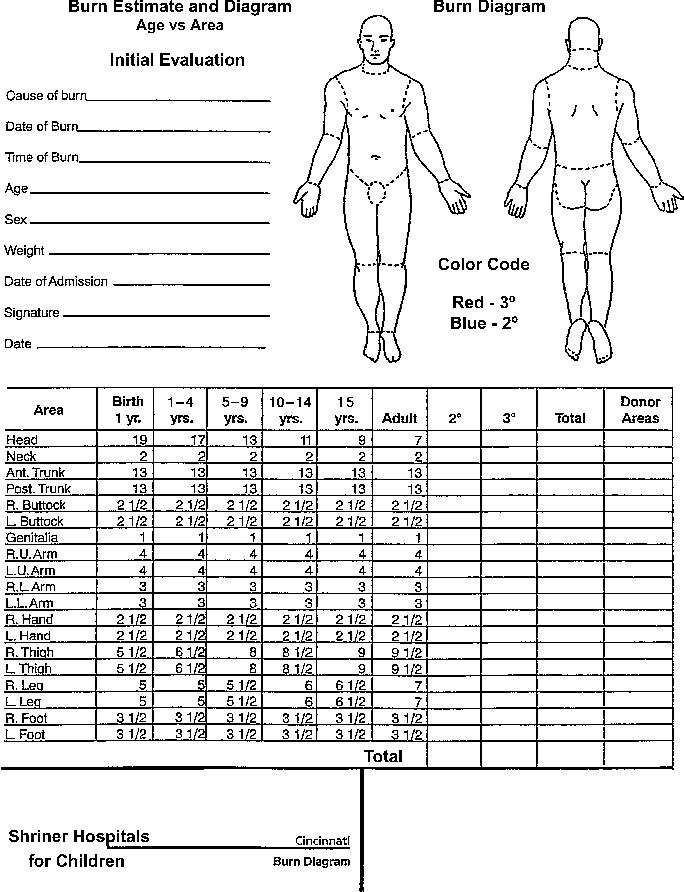
Pediatric Burn Chart A Visual Reference of Charts Chart Master
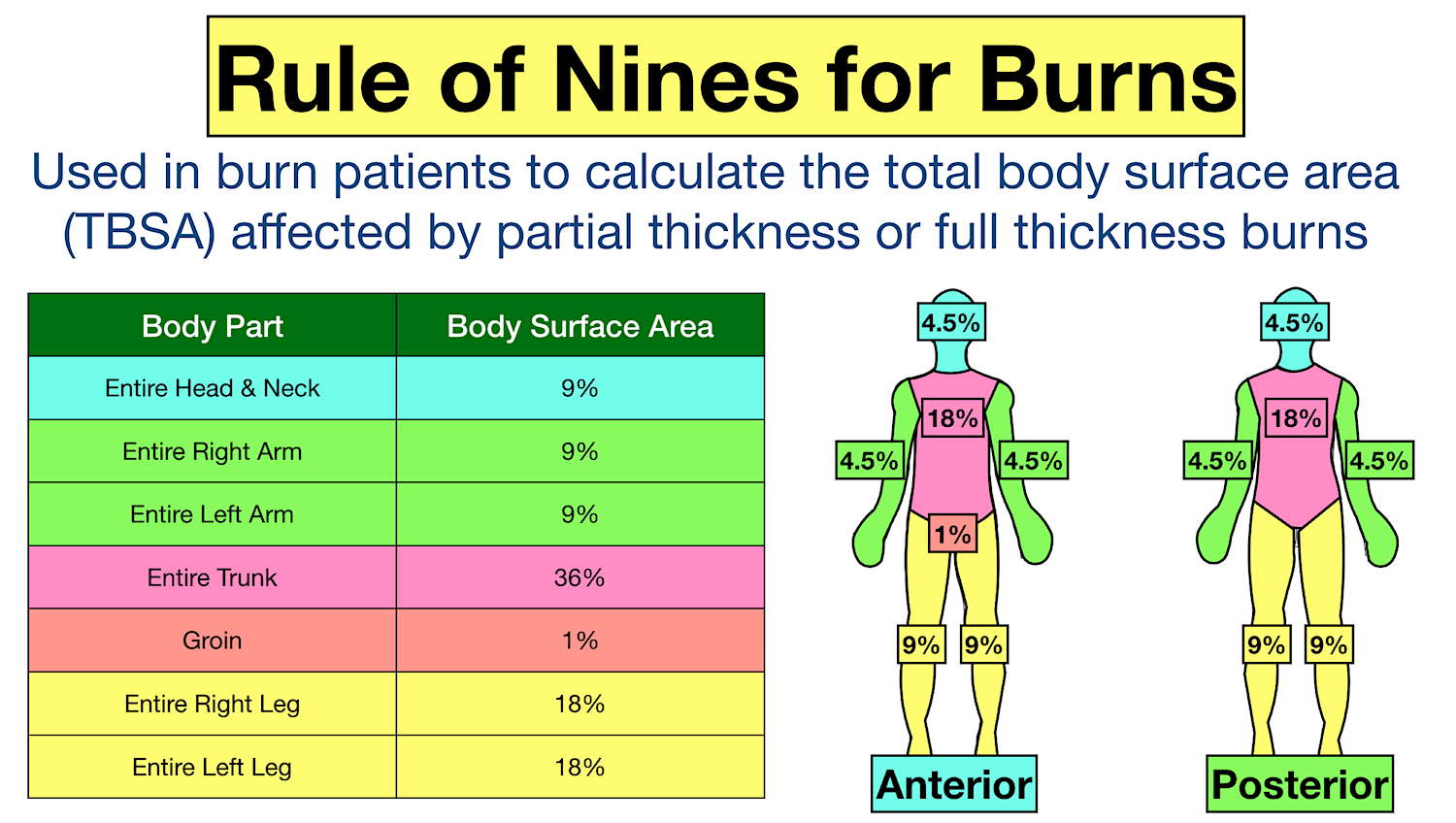
Parkland Formula for Burns Pediatric and Adult Examples, Calculator
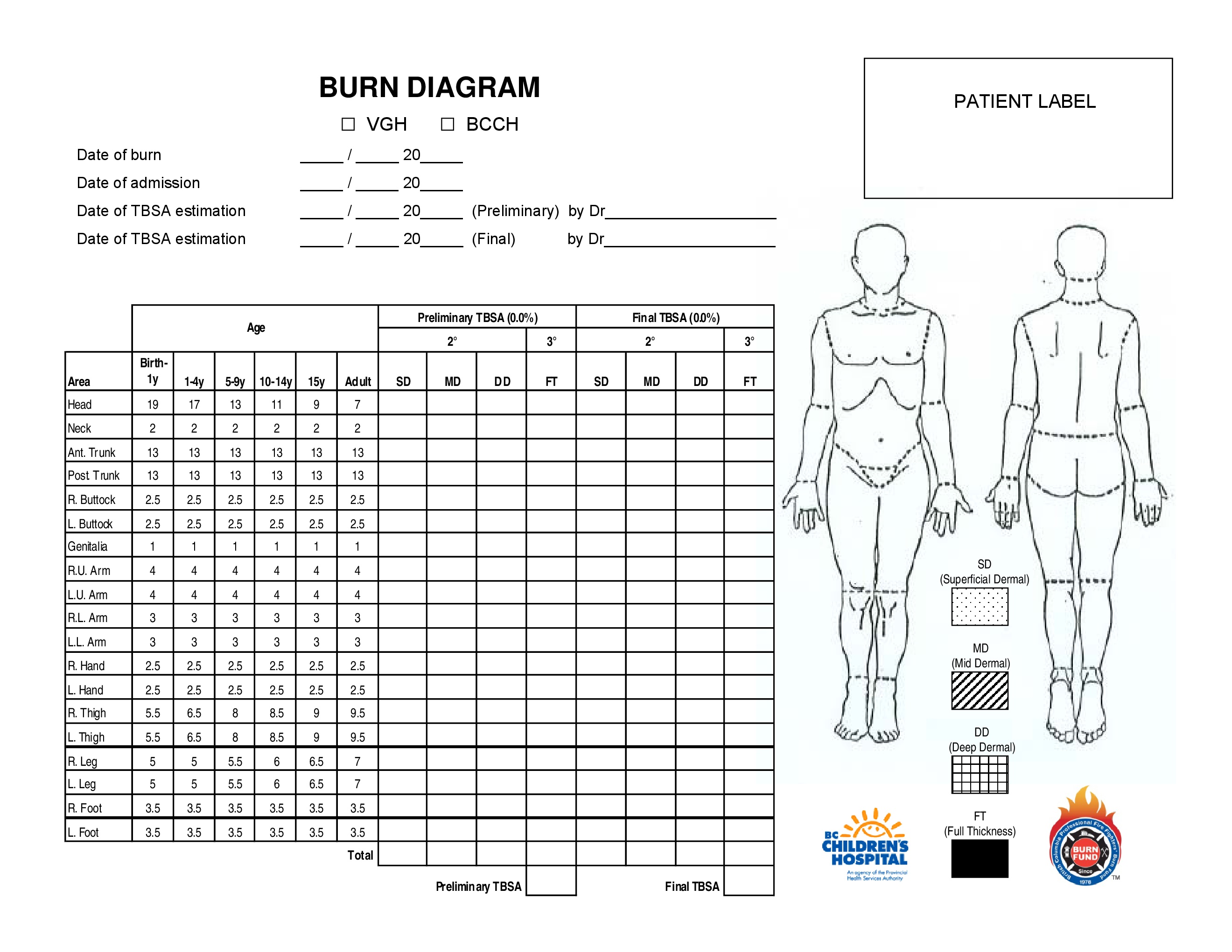
Pediatric Burn Diagram
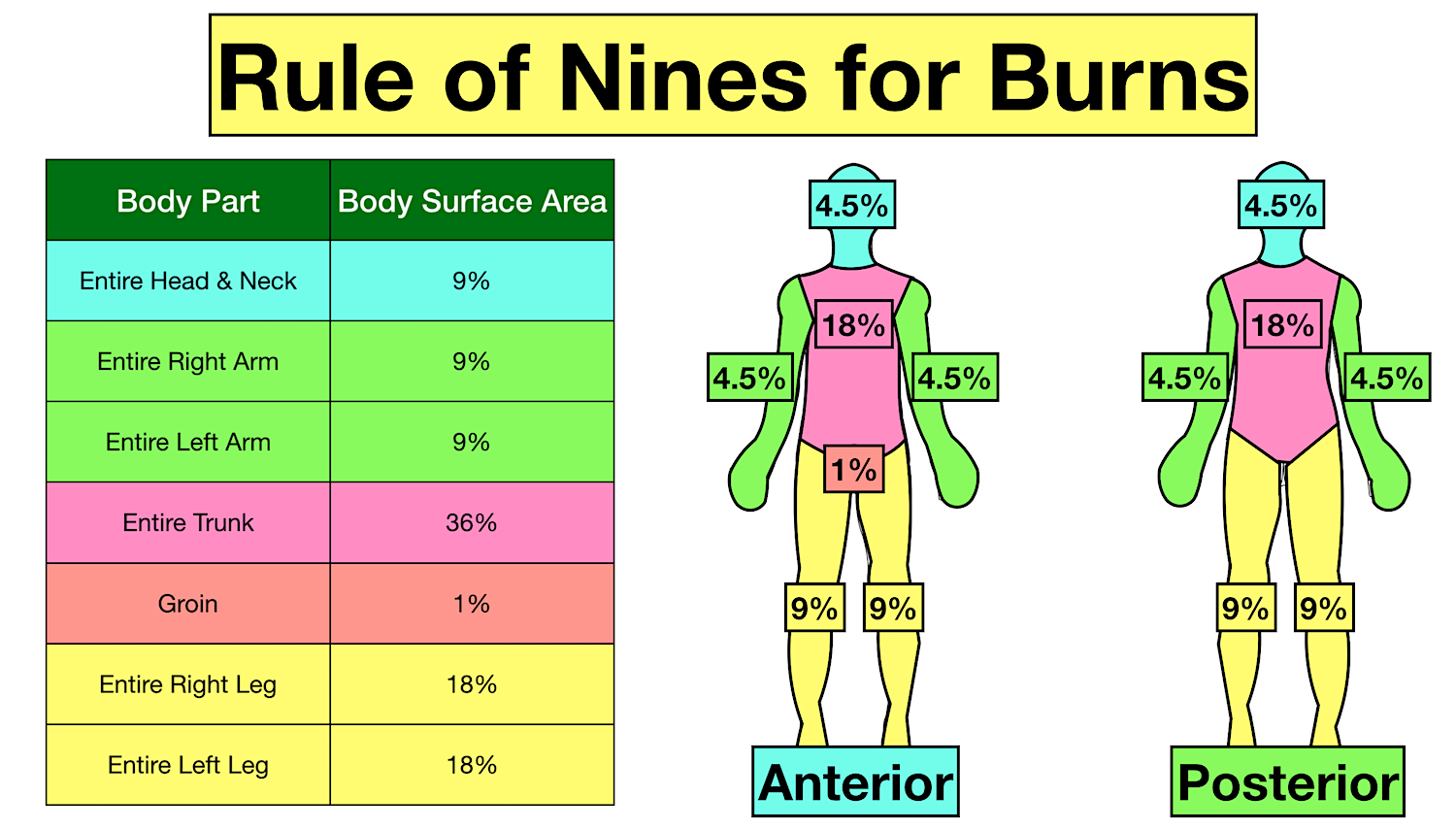
Rule of Nines for Burns Child and Adult Chart, Calculator, Definition
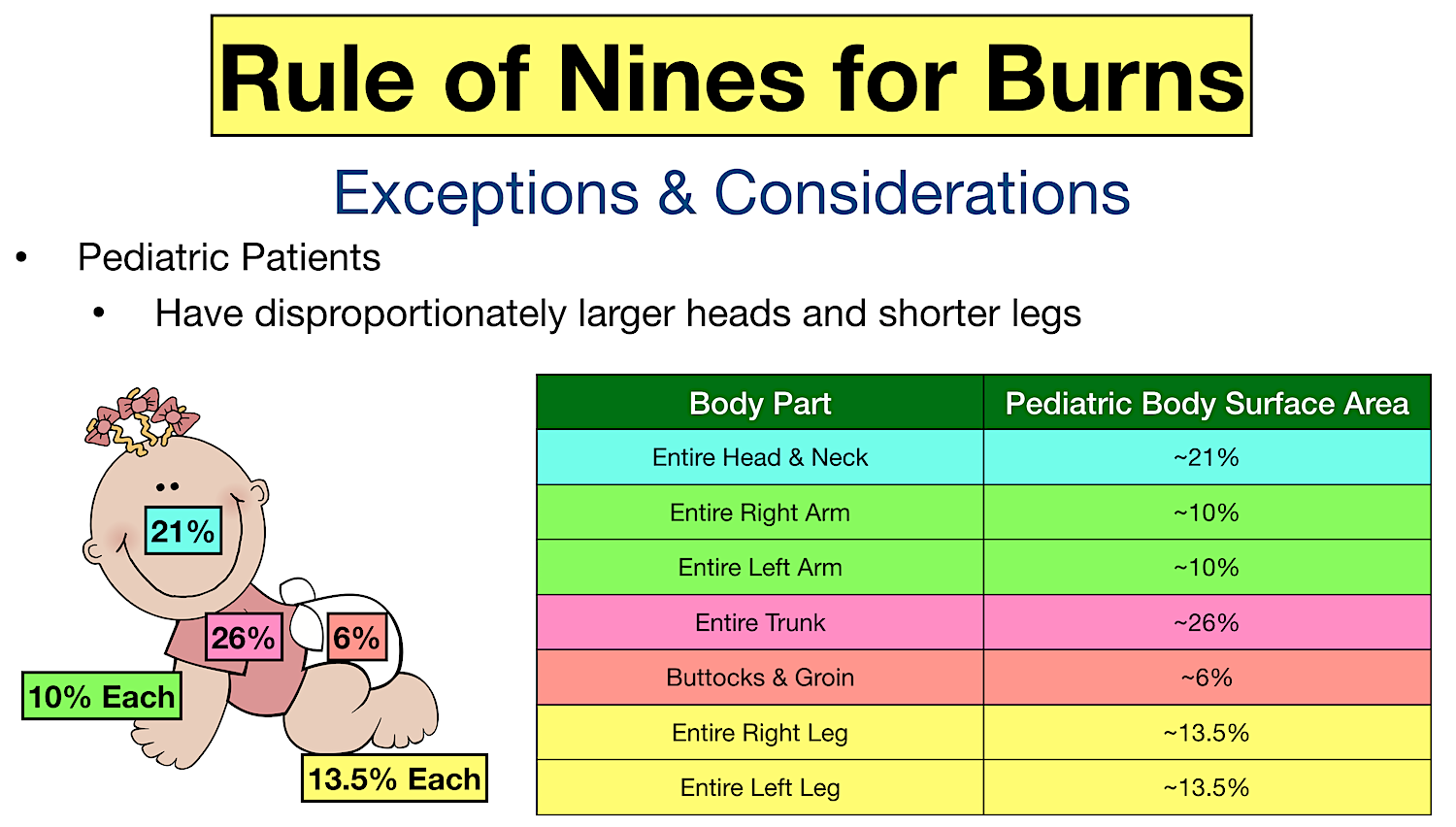
Rule of Nines for Burns Child and Adult Chart, Calculator, Definition

Major Burns in Children Pediatric Emergency Playbook

PEDIATRIC BURNS AND SCALDSMODERN THERAPEUTIC CONCEPTS Semantic Scholar
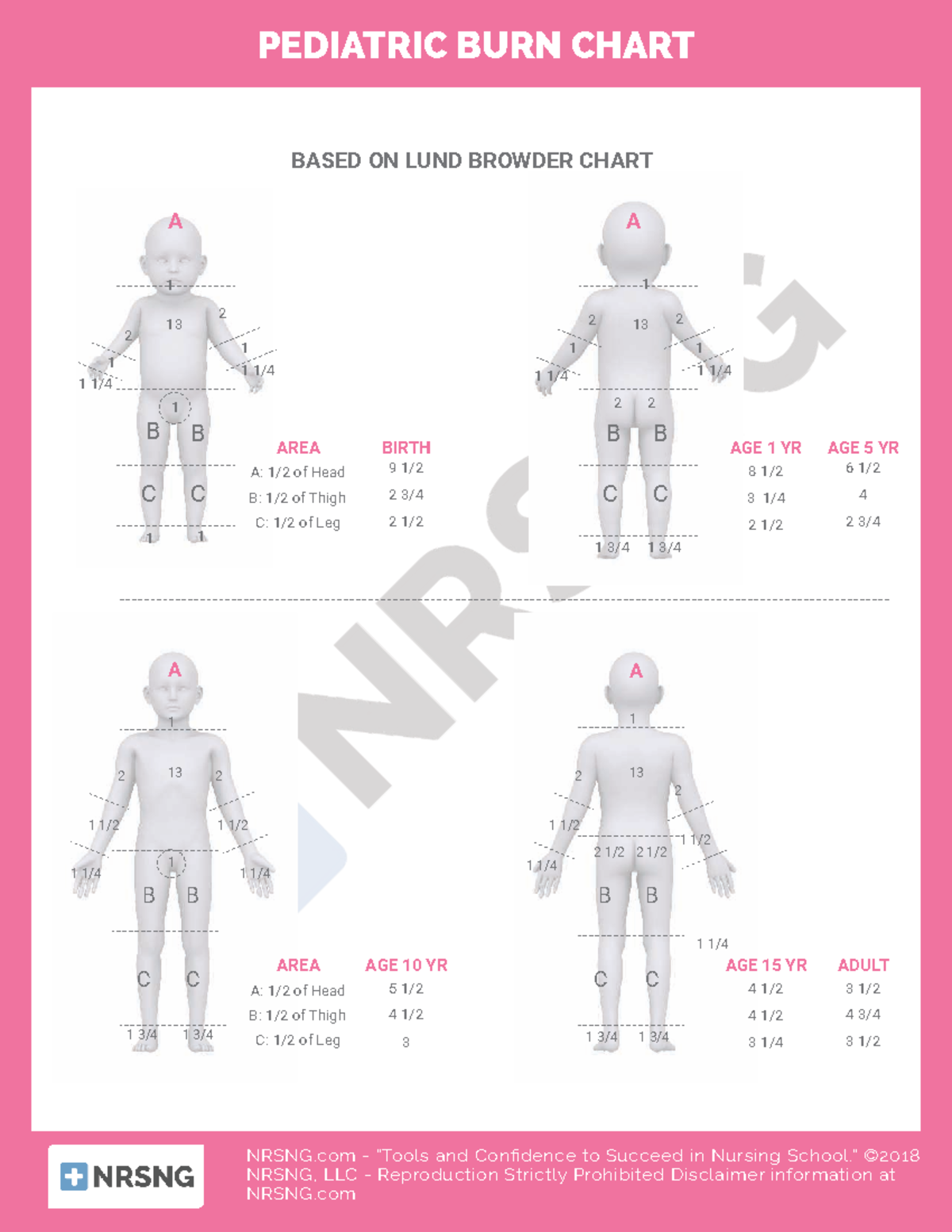
Cspeds001pediatric burn chart NRSNG “Tools and Confidence to

Paediatric TraumaPaediatric Burns Sub Guideline Trauma Victoria
Child & Adult Chart Calculations.
Burns Are Painful Wounds Caused By Thermal, Cold, Electrical, Chemical Or Electromagnetic Energy.
( Cdc.gov) 2 Children Die Every Day Due To Burn Related Injuries.
Web Pediatric Burn Care.
Related Post: