
Pediatric Burn Chart
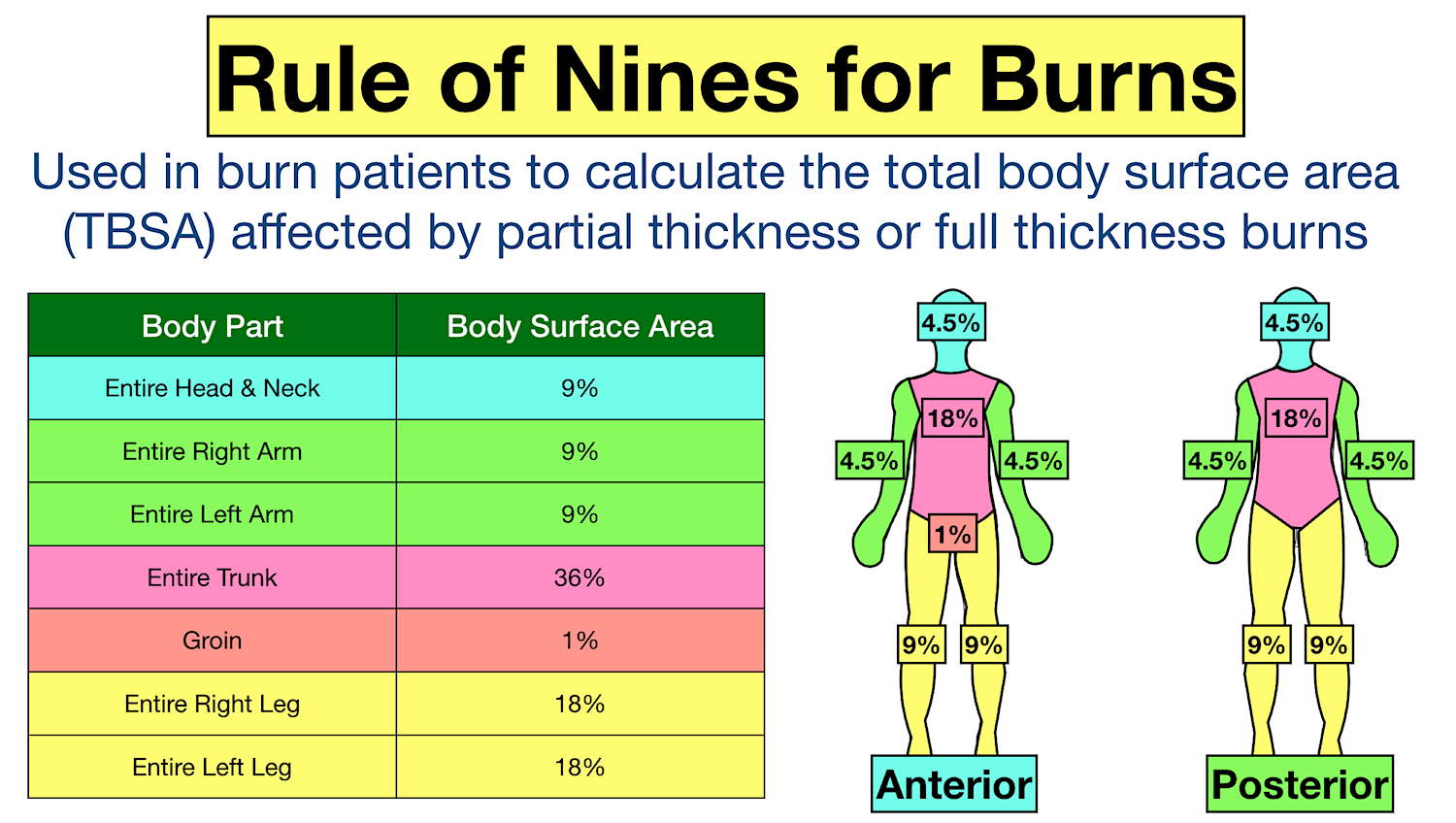
Pediatric Burn Chart - Consequently, burns may be deeper and more severe than they initially appear (american burn association, 2018). Web explain the benefits of providing optimal sedation and analgesia for children having burns procedures outside the operating theatre, and the drugs commonly used. The extent of large tbsa burns is often underestimated, and factors such as sex, body shape,. Web learn to calculate pediatric burned surface area with the rule of nines on the web's most interactive pediatric rule of nines learning tool. To decrease variability in the management of patients with burns. The care of minor thermal burns, smoke inhalation, chemical burns to the skin and eye, electrical injuries, and ongoing burn management, are discussed separately. Web infant/pediatric lund and browder burn chart. Al thickness) skin may be red, blistered, swollen. Web this topic will review the emergency management of moderate to severe thermal burns in children ( table 1 ). Web burn total body surface area (tbsa) % for children. Roughly 25% of all burn injuries occur in children under the age of 15 years. Web this topic will review the emergency management of moderate to severe thermal burns in children ( table 1 ). *areas of difference between the pediatric and adult population are represented by bold italics. To appropriately triage, diagnose and classify burns in the pediatric patient. Web pediatric burns are injuries to the skin or other tissue as a result of exposure to heat (eg, hot liquids [scalds], hot solids [contact burns], smoke [inhalation injury], or direct flames), ultraviolet/infrared radiation, radioactive materials, electricity, friction, chemicals, or. *infants and the elderly have thinner skin; Al thickness) skin may be red, blistered, swollen. The care of minor thermal burns, smoke inhalation, chemical burns to the skin and eye, electrical injuries, and ongoing burn management, are discussed separately. Web infant/pediatric lund and browder burn chart. Web what is a clinical pathway? To decrease variability in the management of patients with burns. Roughly 25% of all burn injuries occur in children under the age of 15 years. Web what is a clinical pathway? Web infant/pediatric lund and browder burn chart. (see treatment of minor thermal burns.) Roughly 25% of all burn injuries occur in children under the age of 15 years. Web burn total body surface area (tbsa) % for children. Web infant/pediatric lund and browder burn chart. Consequently, burns may be deeper and more severe than they initially appear (american burn association, 2018). Al thickness) skin may be red, blistered, swollen. Web burn total body surface area (tbsa) % for children. Web infant/pediatric lund and browder burn chart. Web what is a clinical pathway? To decrease variability in the management of patients with burns. Consequently, burns may be deeper and more severe than they initially appear (american burn association, 2018). Roughly 25% of all burn injuries occur in children under the age of 15 years. *infants and the elderly have thinner skin; Web what is a clinical pathway? The care of minor thermal burns, smoke inhalation, chemical burns to the skin and eye, electrical injuries, and ongoing burn management, are discussed separately. Web infant/pediatric lund and browder burn chart. This practice guideline will outline the essential elements of. Web infant/pediatric lund and browder burn chart. Web this topic will review the emergency management of moderate to severe thermal burns in children ( table 1 ). Web burn total body surface area (tbsa) % for children. Web what is a clinical pathway? (see treatment of minor thermal burns.) Consequently, burns may be deeper and more severe than they initially appear (american burn association, 2018). Roughly 25% of all burn injuries occur in children under the age of 15 years. To decrease variability in the management of patients with burns. Al thickness) skin may be red, blistered, swollen. Web explain the benefits of providing optimal sedation and analgesia for children having burns procedures outside the operating theatre, and the drugs commonly used. Roughly 25% of all burn injuries occur in children under the age of 15 years. *infants and the elderly have thinner skin; Web what is a clinical pathway? Web learn to calculate pediatric burned surface area. Web this topic will review the emergency management of moderate to severe thermal burns in children ( table 1 ). The care of minor thermal burns, smoke inhalation, chemical burns to the skin and eye, electrical injuries, and ongoing burn management, are discussed separately. Web pediatric burns are injuries to the skin or other tissue as a result of exposure. *areas of difference between the pediatric and adult population are represented by bold italics. Al thickness) skin may be red, blistered, swollen. Roughly 25% of all burn injuries occur in children under the age of 15 years. (see treatment of minor thermal burns.) This practice guideline will outline the essential elements of. Web explain the benefits of providing optimal sedation and analgesia for children having burns procedures outside the operating theatre, and the drugs commonly used. Al thickness) skin may be red, blistered, swollen. Web infant/pediatric lund and browder burn chart. Roughly 25% of all burn injuries occur in children under the age of 15 years. Web pediatric burns are injuries to. The extent of large tbsa burns is often underestimated, and factors such as sex, body shape,. *infants and the elderly have thinner skin; Web burn total body surface area (tbsa) % for children. Web learn to calculate pediatric burned surface area with the rule of nines on the web's most interactive pediatric rule of nines learning tool. Web pediatric burns are injuries to the skin or other tissue as a result of exposure to heat (eg, hot liquids [scalds], hot solids [contact burns], smoke [inhalation injury], or direct flames), ultraviolet/infrared radiation, radioactive materials, electricity, friction, chemicals, or. Web explain the benefits of providing optimal sedation and analgesia for children having burns procedures outside the operating theatre, and the drugs commonly used. Roughly 25% of all burn injuries occur in children under the age of 15 years. To decrease variability in the management of patients with burns. *areas of difference between the pediatric and adult population are represented by bold italics. Web this topic will review the emergency management of moderate to severe thermal burns in children ( table 1 ). This practice guideline will outline the essential elements of. Al thickness) skin may be red, blistered, swollen. To appropriately triage, diagnose and classify burns in the pediatric patient. The care of minor thermal burns, smoke inhalation, chemical burns to the skin and eye, electrical injuries, and ongoing burn management, are discussed separately.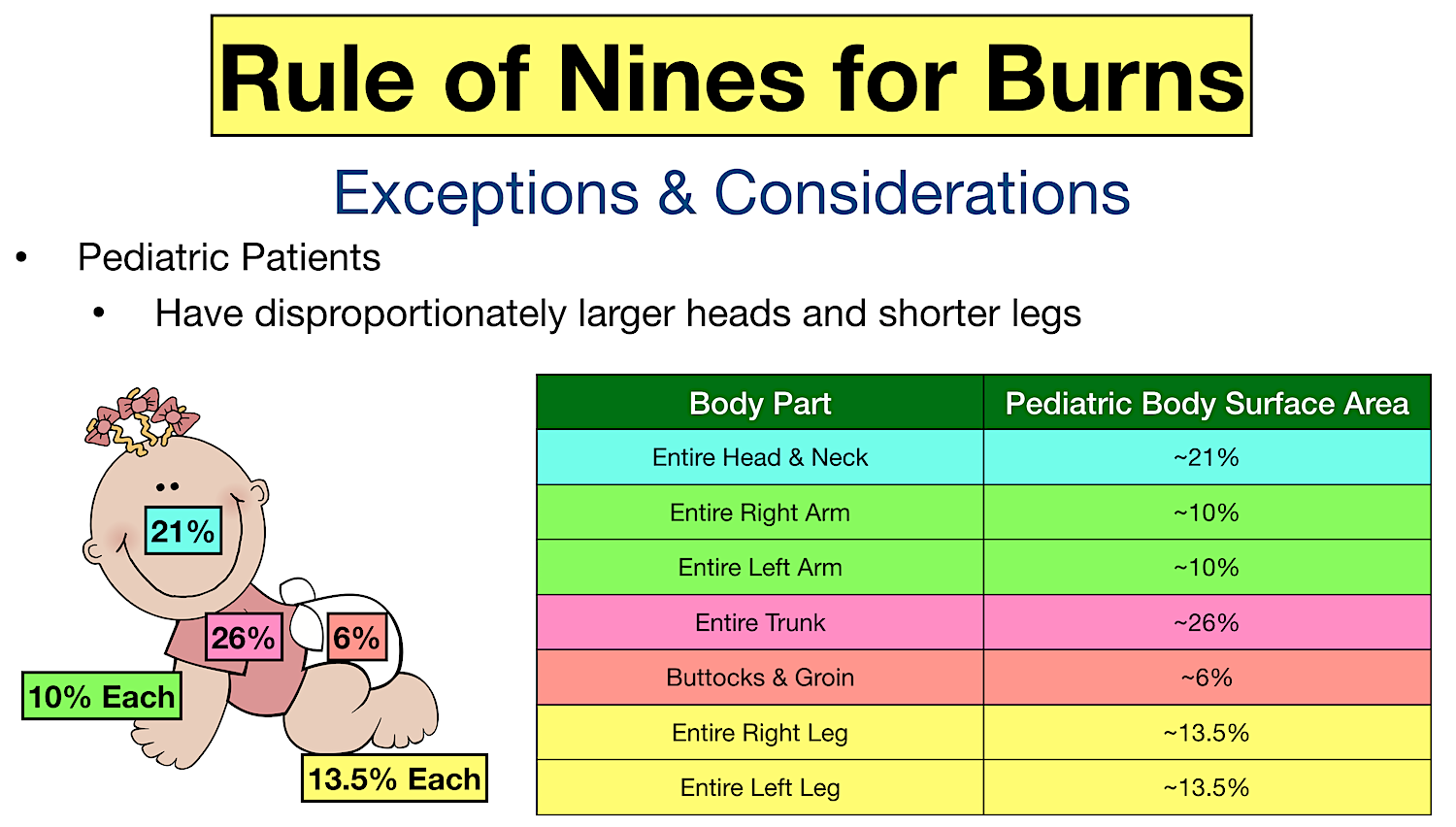
Rule of Nines for Burns Child and Adult Chart, Calculator, Definition

Lund And Browder Chart Printable

Paediatric TraumaPaediatric Burns Sub Guideline Trauma Victoria

Major Burns in Children Pediatric Emergency Playbook
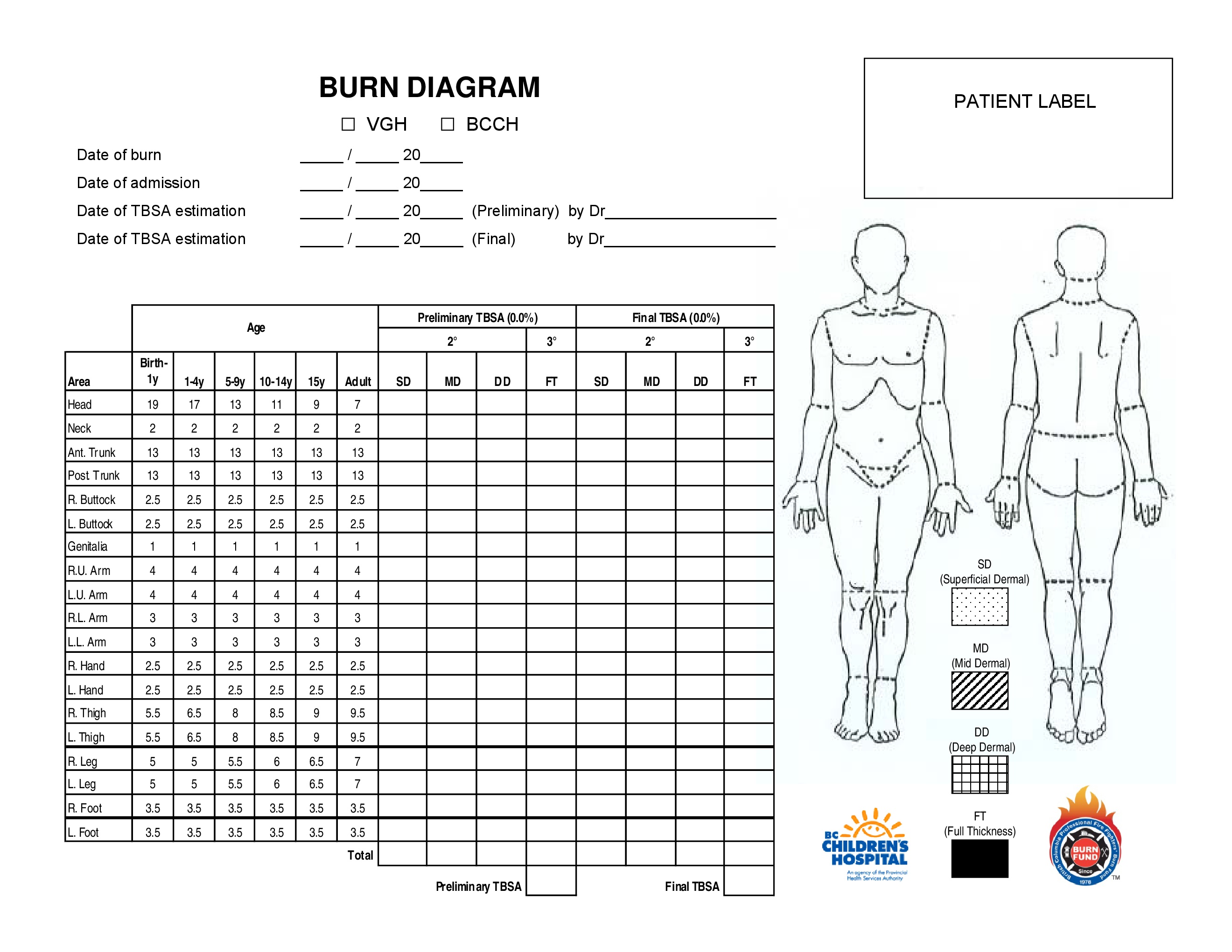
Pediatric Burn Diagram
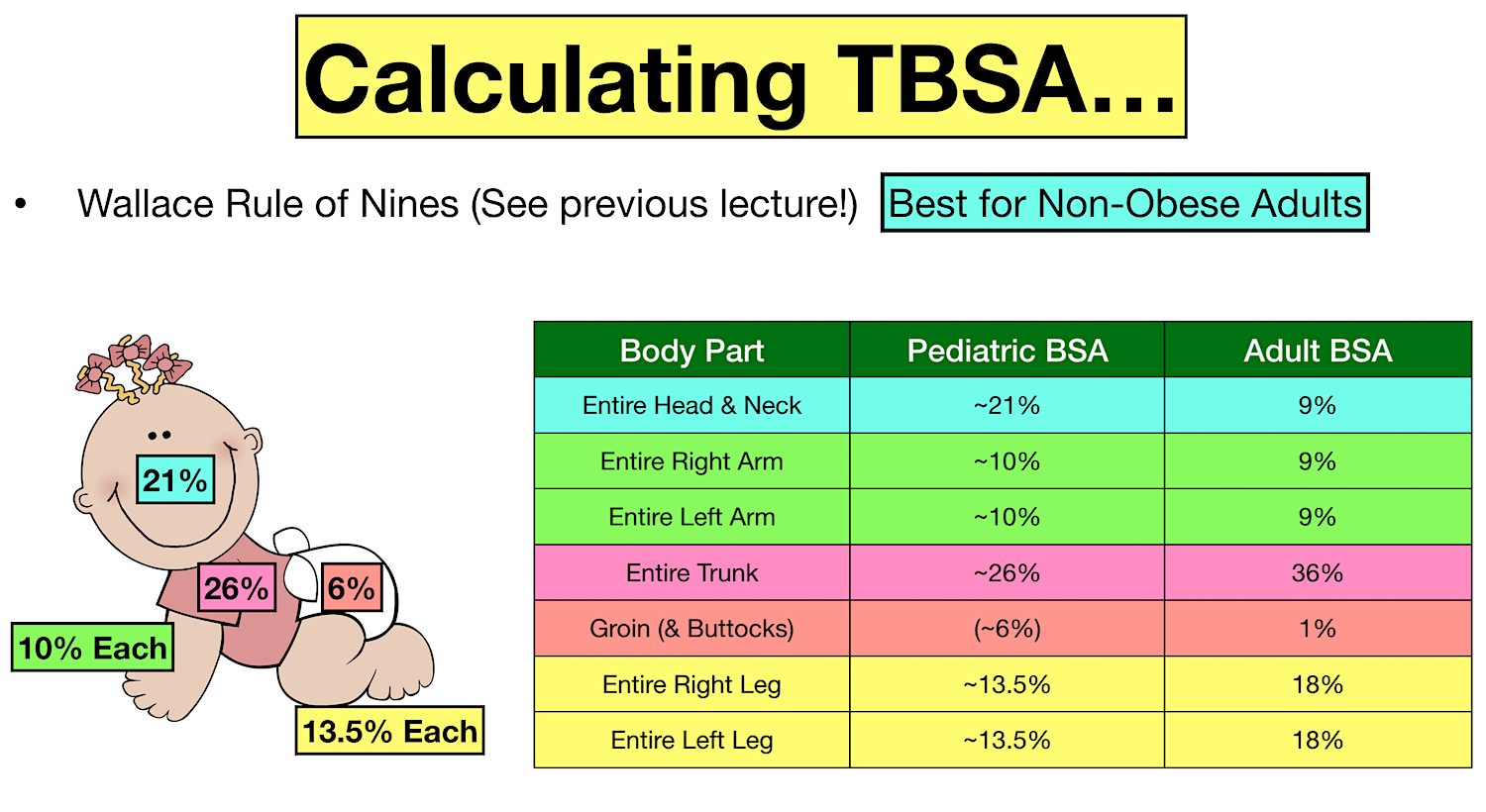
Parkland Formula for Burns Pediatric and Adult Examples, Calculator

Paediatric Emergency Medicine Minor Burns in Children

Pediatric Burn Care Clinics in Plastic Surgery
Parkland Formula for Burns Pediatric and Adult Examples, Calculator

PEDIATRIC BURNS AND SCALDSMODERN THERAPEUTIC CONCEPTS Semantic Scholar
Web Infant/Pediatric Lund And Browder Burn Chart.
Web What Is A Clinical Pathway?
Consequently, Burns May Be Deeper And More Severe Than They Initially Appear (American Burn Association, 2018).
(See Treatment Of Minor Thermal Burns.)
Related Post: