
Pearl Color Chart
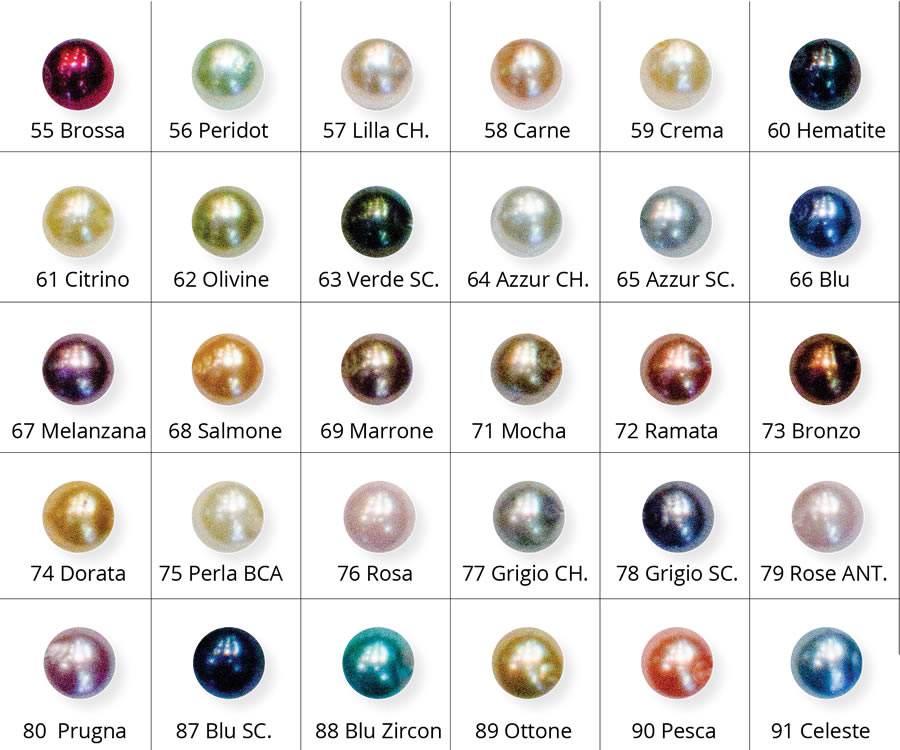
Pearl Color Chart - Bodycolor—the dominant color you see at first glance. Overtone—one or more subtle, translucent colors on top. Proper pearl care tips you should know. This akoya strand can be described using the gia 7 pearl value factors. Web each pearl’s color is unique and depends on the type of oyster that made it and where it lived. While the use of treatments and dyes allow for any color in the rainbow, this article will primarily deal with naturally occurring pearl colors. Pearls come in a variety of colors, from white to cream to yellow to pink and even black. Web see at a glance all preciosa nacre pearl colors with their color chart below. Orient—the shimmering, iridescent hues that dance on the pearl’s surface. There are three key components that influence the pearl color: Preciosa pearls color chart pdf (2.01mb) Pearl type, rarity, size, shape, color, nacre quality and luster, and weight (for natural pearls) or size (for cultured pearls). The most familiar colors are white and cream (a light yellowish brown). Know in advance how each color of pearl ex mica pigment powder will work on your project. While the use of treatments and dyes allow for any color in the rainbow, this article will primarily deal with naturally occurring pearl colors. Web this guide lists the verifiable rainbow of pearl colors, along with where they originate, and answers all of your frequently asked pearl questions too! Web gia 7 pearl value factors chart this 32” x 20” wall chart presents gia’s system for classifying pearl quality according to the seven factors of size, shape, color, luster, surface, matching, and nacre. Composite photo by gia staff. Web the most common color for pearls is white, cream or gray, but they also come in colors such as purple, black, pink, green, champagne, chocolate, blue and lavender. Believe it or not, the color of. Know in advance how each color of pearl ex mica pigment powder will work on your project. Web each pearl’s color is unique and depends on the type of oyster that made it and where it lived. The four major types of pearls are akoya pearls, south sea pearls, tahitian pearls, and freshwater pearls, each with its own unique appearance.. The most familiar colors are white and cream (a light yellowish brown). Overtone—one or more subtle, translucent colors on top. Web the most common color for pearls is white, cream or gray, but they also come in colors such as purple, black, pink, green, champagne, chocolate, blue and lavender. There are three key components that influence the pearl color: Composite. Web gia 7 pearl value factors chart this 32” x 20” wall chart presents gia’s system for classifying pearl quality according to the seven factors of size, shape, color, luster, surface, matching, and nacre. Web all the hue variations, luster, shine and endless assortment of sizes are just breathtaking. Web every pearl, whether it’s the common white or the most. Bodycolor—the dominant color you see at first glance. Web gia 7 pearl value factors chart this 32” x 20” wall chart presents gia’s system for classifying pearl quality according to the seven factors of size, shape, color, luster, surface, matching, and nacre. Do certain pearl colors have special meanings and associations linked to them? Web pearls are fascinating gems with. Some pearls are soft pink, while others might be golden or even lavender. Know in advance how each color of pearl ex mica pigment powder will work on your project. Web the most common color for pearls is white, cream or gray, but they also come in colors such as purple, black, pink, green, champagne, chocolate, blue and lavender. There. Among the rarest and most interesting of all pearl colors are chocolate pearls, that have a. Web these colors include blue, silver and gold. There's more to pearls than grandma's old white strand of pearls. Orient—the shimmering, iridescent hues that dance on the pearl’s surface. Web from classic white akoya pearls to jet black tahitian pearls, silver and gold south. Web there is no standardized grading system for pearl quality, but there are a number of factors that help determine the value: There's more to pearls than grandma's old white strand of pearls. Pearl type, rarity, size, shape, color, nacre quality and luster, and weight (for natural pearls) or size (for cultured pearls). Orient—the shimmering, iridescent hues that dance on. Pearls with overtones that display a variety of colors are seen occasionally. Web from classic white akoya pearls to jet black tahitian pearls, silver and gold south sea pearls and even deep shades of lavender to yes, even blue! Proper pearl care tips you should know. Pearls come in a variety of colors, from white to cream to yellow to. Pearl type, rarity, size, shape, color, nacre quality and luster, and weight (for natural pearls) or size (for cultured pearls). Proper pearl care tips you should know. There are three key components that influence the pearl color: Web from classic white akoya pearls to jet black tahitian pearls, silver and gold south sea pearls and even deep shades of lavender. Web pearls are fascinating gems with a variety of shapes, sizes, and colors. There are three key components that influence the pearl color: But what does it all mean? Some pearls are soft pink, while others might be golden or even lavender. Web to conclude this short guide, there are multiple pearl colors, all exquisite and beautiful, waiting for their. The four major types of pearls are akoya pearls, south sea pearls, tahitian pearls, and freshwater pearls, each with its own unique appearance. Web discover the ideal shades for different skin tones and occasions, from bridal elegance to corporate professionalism and evening glamour. Web see at a glance all preciosa nacre pearl colors with their color chart below. Web from classic white, yellow, golden, pink, blue to black and almost every shade in between. This akoya strand can be described using the gia 7 pearl value factors. Composite photo by gia staff. The most familiar colors are white and cream (a light yellowish brown). Web gia 7 pearl value factors chart this 32” x 20” wall chart presents gia’s system for classifying pearl quality according to the seven factors of size, shape, color, luster, surface, matching, and nacre. Each color has its own rarity and value, with whites being the most common and affordable, while blacks are extremely rare and expensive. Pearls come in a variety of colors, from white to cream to yellow to pink and even black. Web there is no standardized grading system for pearl quality, but there are a number of factors that help determine the value: Overtone—one or more subtle, translucent colors on top. Web to conclude this short guide, there are multiple pearl colors, all exquisite and beautiful, waiting for their wearer to appreciate them. Believe it or not, the color of. Proper pearl care tips you should know. Not all colors may be currently available.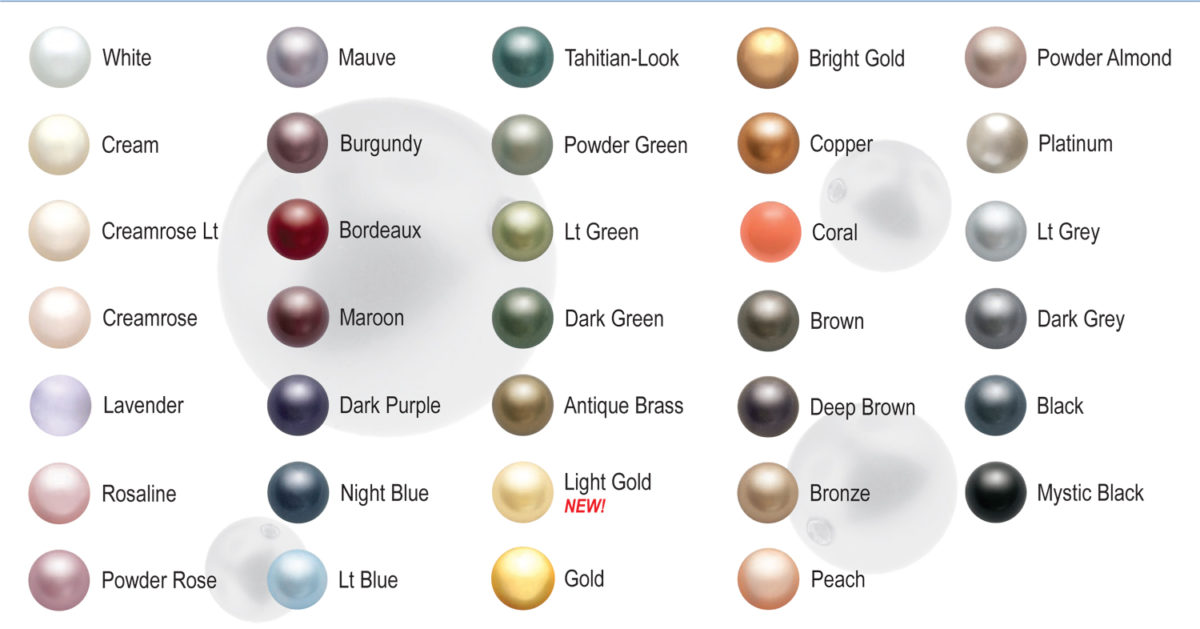
All About Genuine Pearls Fely's Jewelry and
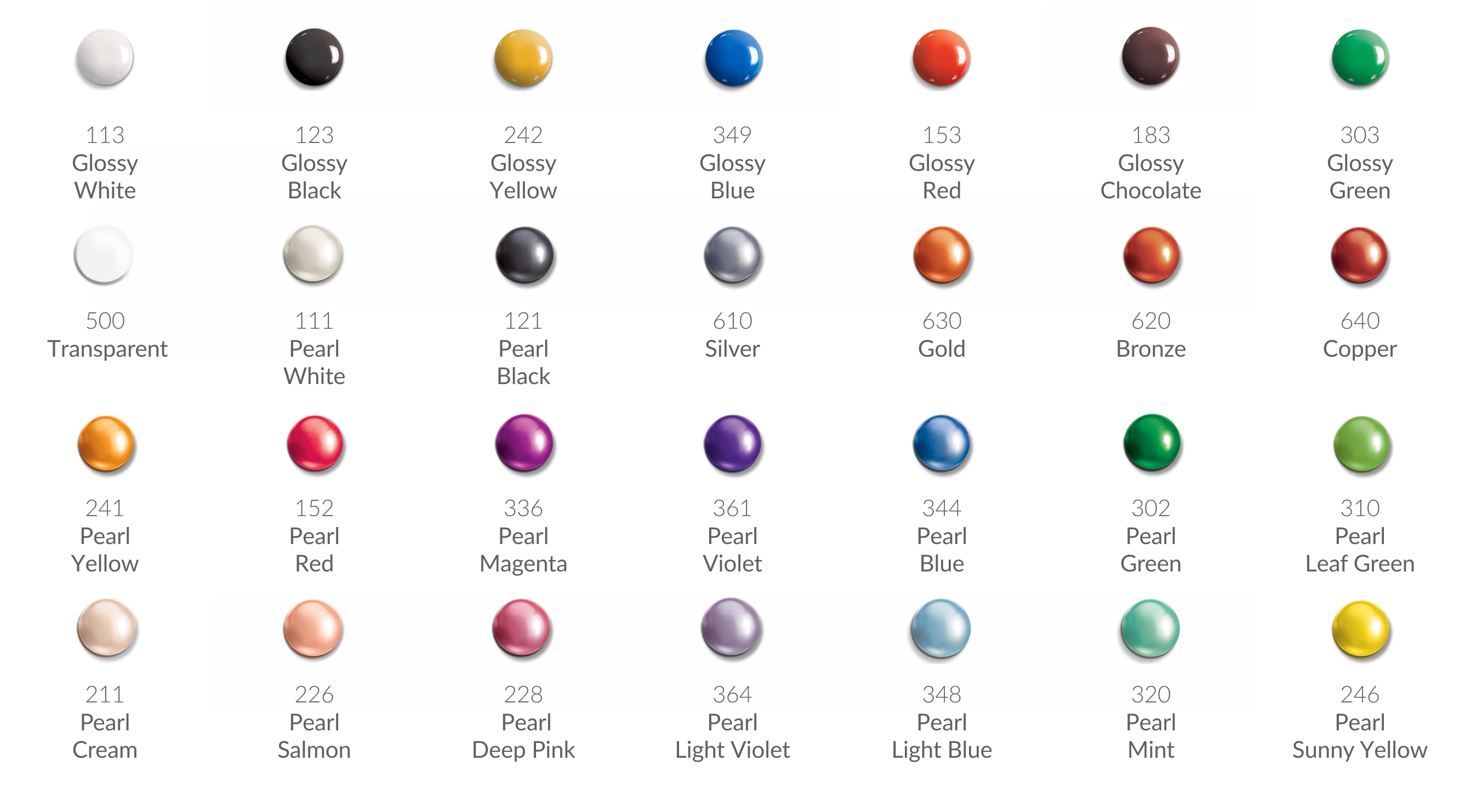
pearl colors what are potato pearls jewelry secrets
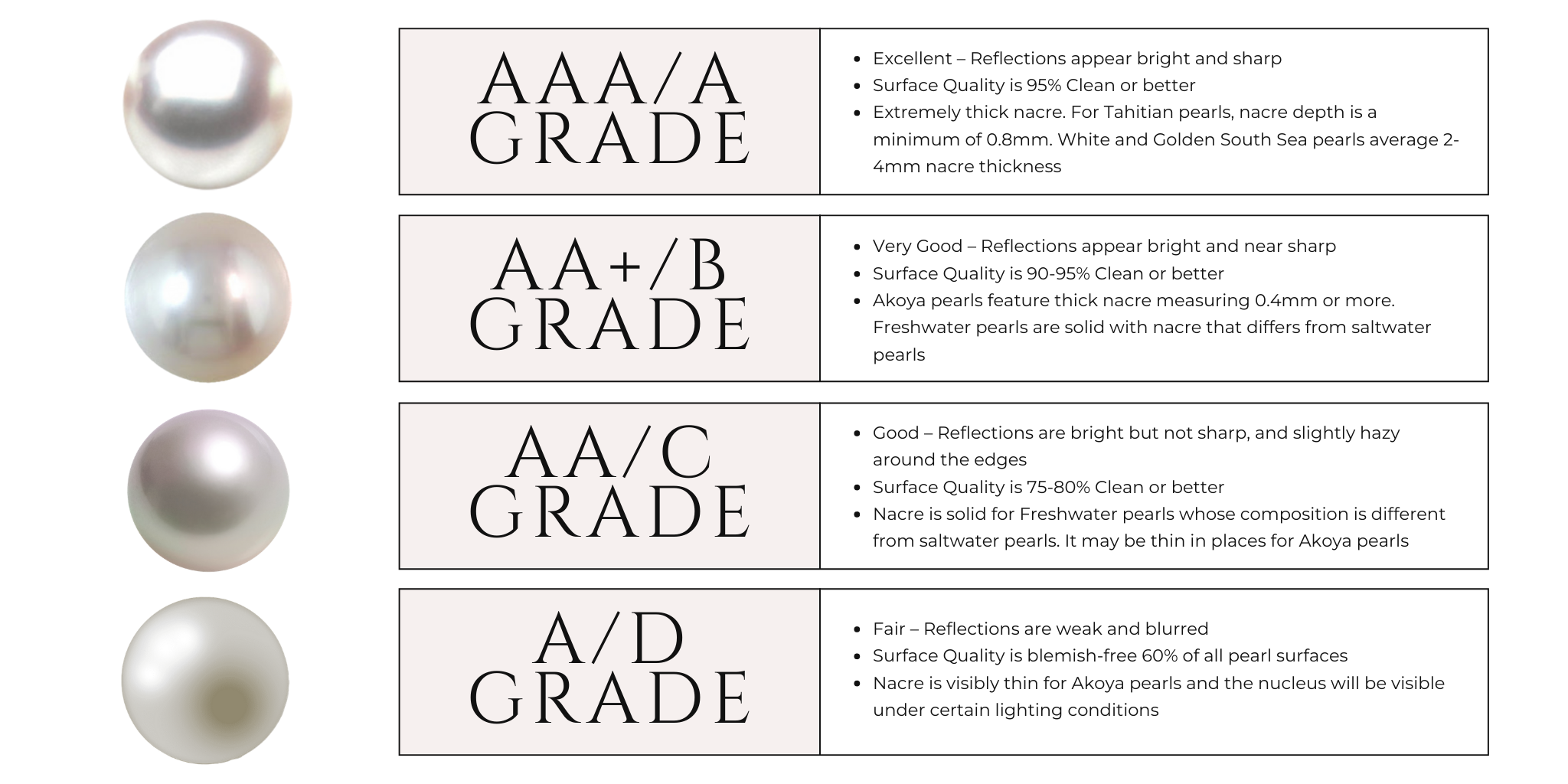
Mikimoto Pearl Grading System tastefulimage

What Do Different Color Pearls Mean WHATDOSG

Pearl Color Chart A Visual Reference of Charts Chart Master

What Do Different Color Pearls Mean WHATDOSG

Tahitian Pearl Color Chart
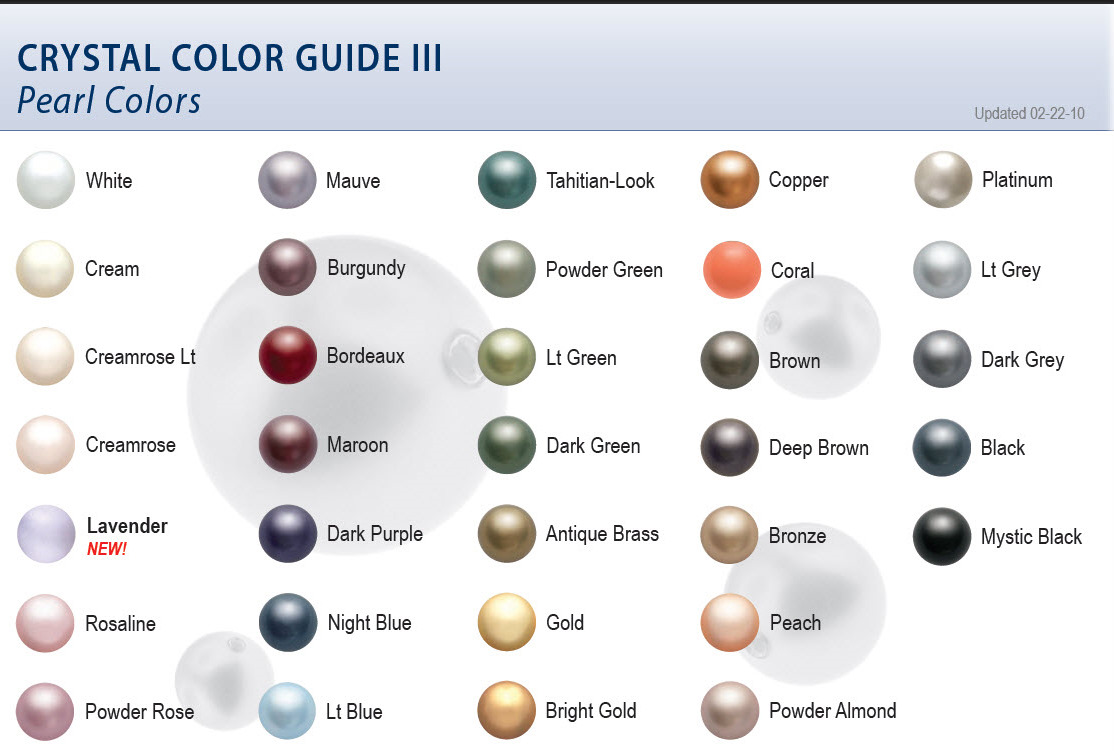
Swarovski Crystal Pearl Color Chart

Pearl Paint Color Chart
Pearls
Preciosa Pearls Color Chart Pdf (2.01Mb)
Do Certain Pearl Colors Have Special Meanings And Associations Linked To Them?
But, How Do Oysters Create The Gems In Different Colors?
There Are Three Key Components That Influence The Pearl Color:
Related Post: