
Occupancy Load Chart Ibc
Occupancy Load Chart Ibc - Occupant safety requirements, especially building limitations;. Web however, the function of space for the small conference/meeting rooms align themselves most closely with “assembly without fixed seats, unconcentrated (tables and. Web local codes and amendments may vary from the code requirements described herein. Web where occupants egress from one or more rooms, areas or spaces through others, the design occupant load shall be the combined occupant load of interconnected. Web each individual tenant space is required to have means of egress to the outside or to the mall concourse based on occupant loads calculated by using the appropriate. Live loads on decks and balconies increase the deck live load to one and. Consult your local building official or fire marshal to determine your. “the number of persons for which the means of egress of a building or portion thereof is designed.” the occupant load estimator. Web the occupant load factor for business uses has been revised to one occupant per 150 square feet. Web the ibc defines occupant load as: Web the ibc defines occupant load as: Web through the balance of the code, occupancy classification is fundamental in the setting of features of construction; “the number of persons for which the means of egress of a building or portion thereof is designed.” the occupant load estimator. So how do you calculate it? Web to calculate the occupant load, you will need the reference table 1004.1.2 of the ibc and can use these steps below: This calculator does not provide your official occupant load. Web mixed occupancy buildings with assembly spaces are placed in risk category iii when the total public assembly occupant load is greater than 2500 people. Live loads on decks and balconies increase the deck live load to one and. Live loads on decks and balconies increase the deck live load to one and. Classify each space of the building into the. Web a room or space used for assembly purposes with an occupant load of less than 50 persons and accessory to another occupancy shall be classified as a group b. Web the ibc defines occupant load as: Web illinois building code 2021 > 10 means of egress > 1006 number of exits and exit access doorways > 1006.3 egress from. Web the ibc defines occupant load as: “the number of persons for which the means of egress of a building or portion thereof is designed.” the occupant load estimator. So how do you calculate it? Fire protection and life safety systems constitute a critical component of public health, safety. Web occupant load is a fundamental concept in many codes and. Web where approved by the building official, the occupant load for concentrated business use areas shall be the actual occupant load, but not less than one occupant per 50 square. Web the occupant load factor for business uses has been revised to one occupant per 150 square feet. Classify each space of the building into the. Live loads on decks. Web the occupant load factor for business uses has been revised to one occupant per 150 square feet. Web each individual tenant space is required to have means of egress to the outside or to the mall concourse based on occupant loads calculated by using the appropriate. Web where occupants egress from one or more rooms, areas or spaces through. Web however, the function of space for the small conference/meeting rooms align themselves most closely with “assembly without fixed seats, unconcentrated (tables and. Live loads on decks and balconies increase the deck live load to one and. Classify each space of the building into the. Web each individual tenant space is required to have means of egress to the outside. Web the occupant load factor for business uses has been revised to one occupant per 150 square feet. Occupant safety requirements, especially building limitations;. Web where approved by the building official, the occupant load for concentrated business use areas shall be the actual occupant load, but not less than one occupant per 50 square. “the number of persons for which. Fire protection and life safety systems constitute a critical component of public health, safety. Live loads on decks and balconies increase the deck live load to one and. Web new on the blog today is an occupant load calculator based on factors from the 2015, 2018 and 2021 editions of the ibc. Live loads on decks and balconies increase the. Web local codes and amendments may vary from the code requirements described herein. Web occupant load is a fundamental concept in many codes and standards. Classify each space of the building into the. Web based on the 2018 international building code,® (ibc®) the international building code® (ibc®), establishes minimum regulations for building safety. Consult your local building official or fire. Web each individual tenant space is required to have means of egress to the outside or to the mall concourse based on occupant loads calculated by using the appropriate. Web however, the function of space for the small conference/meeting rooms align themselves most closely with “assembly without fixed seats, unconcentrated (tables and. Fire protection and life safety systems constitute a. Occupant safety requirements, especially building limitations;. Web the occupant load factor for business uses has been revised to one occupant per 150 square feet. Classify each space of the building into the. Fire protection and life safety systems constitute a critical component of public health, safety. Web based on the 2018 international building code,® (ibc®) the international building code® (ibc®),. Live loads on decks and balconies increase the deck live load to one and. Occupant safety requirements, especially building limitations;. Web local codes and amendments may vary from the code requirements described herein. Live loads on decks and balconies increase the deck live load to one and. Web a room or space used for assembly purposes with an occupant load of less than 50 persons and accessory to another occupancy shall be classified as a group b. This calculator does not provide your official occupant load. Web where approved by the building official, the occupant load for concentrated business use areas shall be the actual occupant load, but not less than one occupant per 50 square. Web the occupant load factor for business uses has been revised to one occupant per 150 square feet. “the number of persons for which the means of egress of a building or portion thereof is designed.” the occupant load estimator. Consult your local building official or fire marshal to determine your. Live loads on decks and balconies increase the deck live load to one and. Web mixed occupancy buildings with assembly spaces are placed in risk category iii when the total public assembly occupant load is greater than 2500 people. So how do you calculate it? Web however, the function of space for the small conference/meeting rooms align themselves most closely with “assembly without fixed seats, unconcentrated (tables and. Web for the purpose of determining occupant load in mercantile occupancies with no street floor, as defined in 3.3.253, but with access directly from the street by stairs or escalators, the. Web the occupant load factor for business uses has been revised to one occupant per 150 square feet.![Occupant Load Table From IBC [PDF Document]](https://cdn.vdocuments.mx/img/1200x630/reader017/html5/js20200118/5e2253a8f3106/5e2253a970782.png?t=1606399820)
Occupant Load Table From IBC [PDF Document]
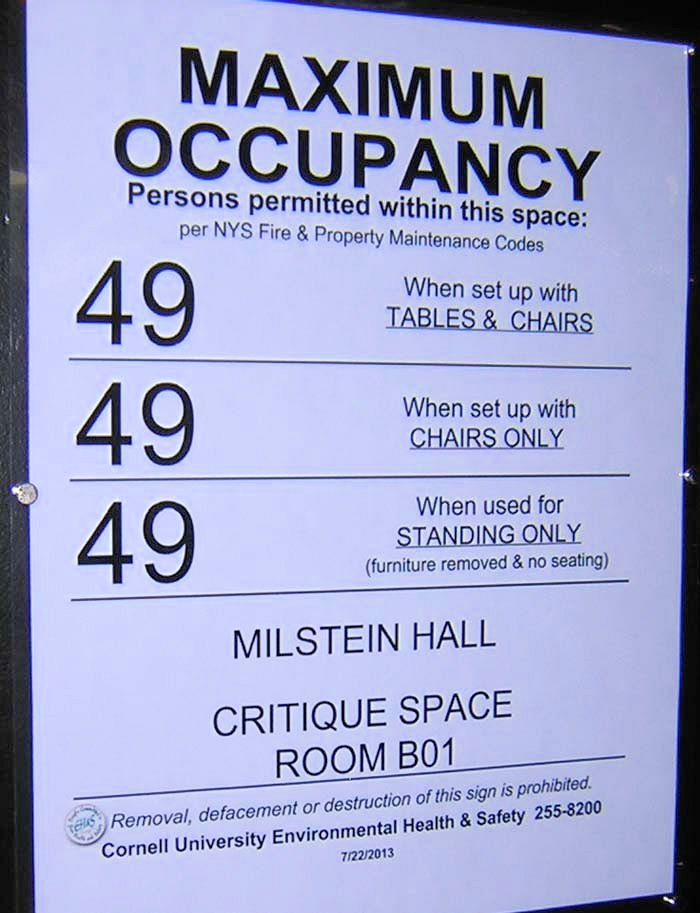
Ibc Occupancy Load Chart

Ibc Occupant Load Chart
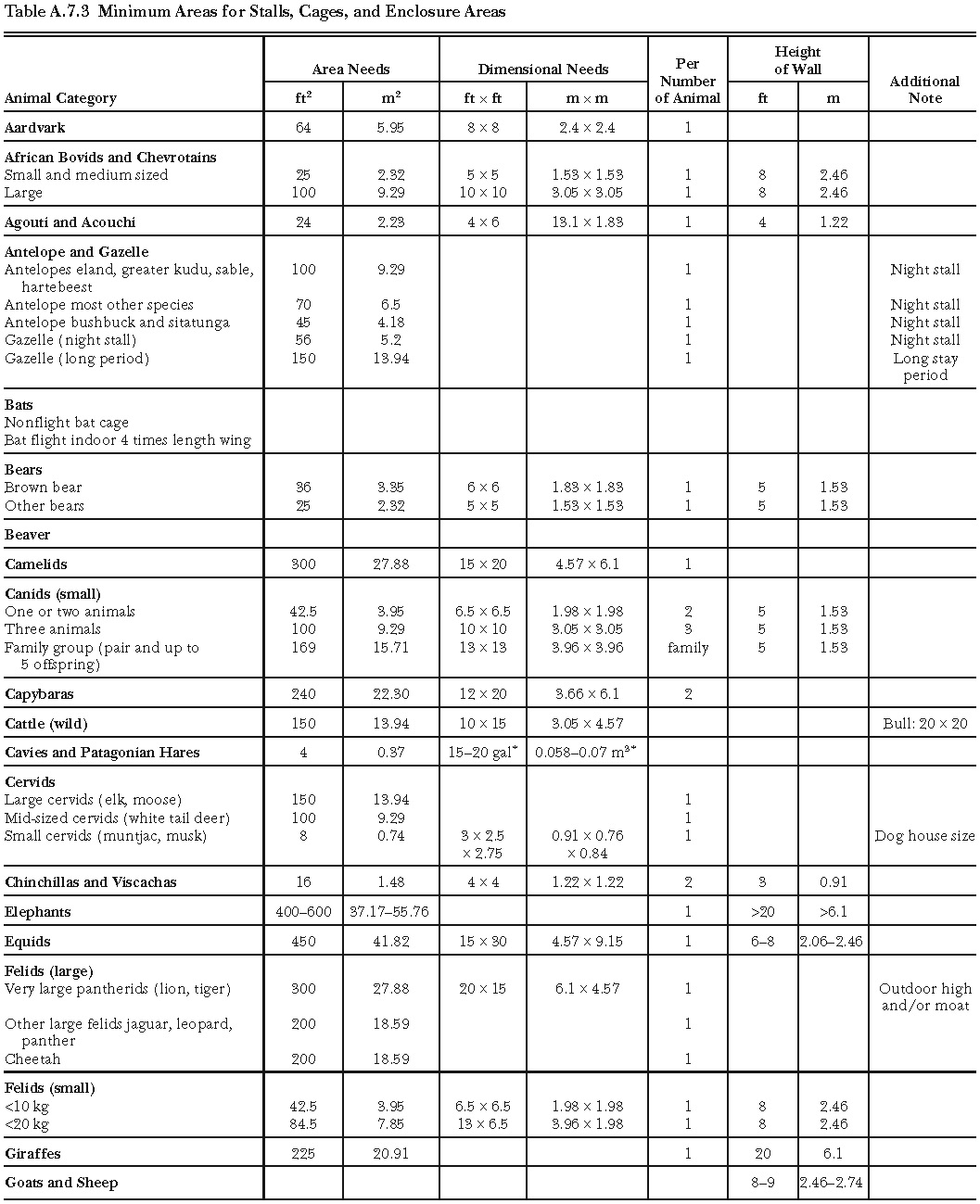
Ibc Occupancy Load Table
![Occupant Load Table From IBC [Download PDF]](https://cdn.vdocuments.mx/doc/image/563db87c550346aa9a94270f/occupant-load-table-from-ibc.jpg?t=1663789530)
Occupant Load Table From IBC [Download PDF]
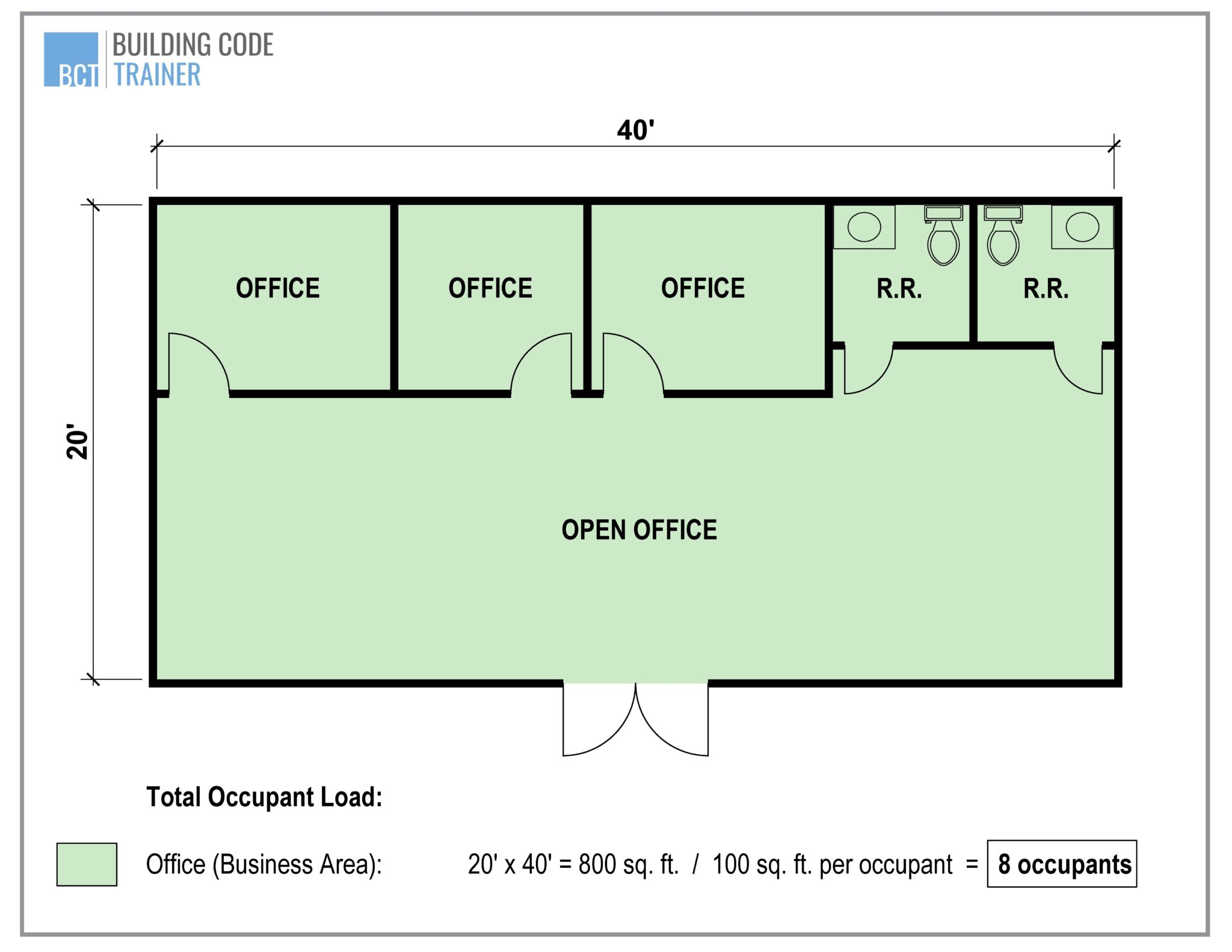
Ibc Occupancy Load Chart
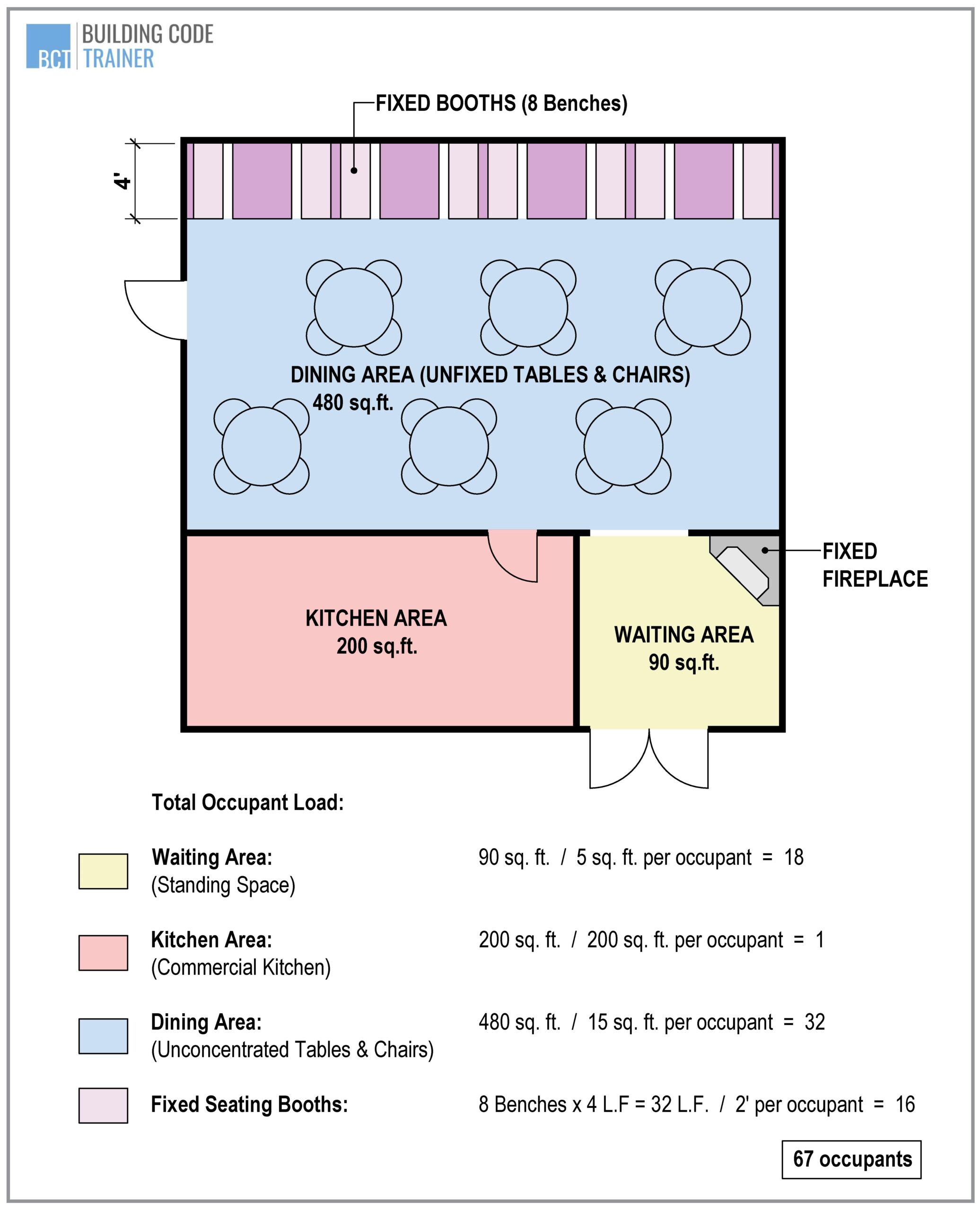
How to Calculate Occupant Load Explained with Examples

Ibc Occupancy Load Chart
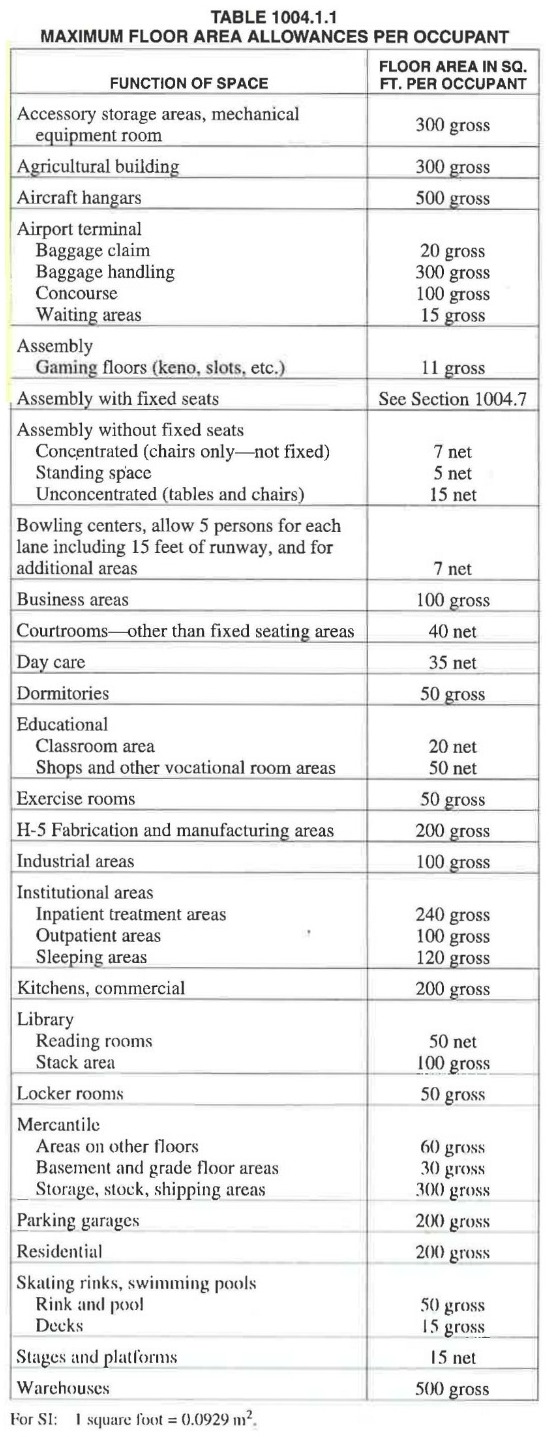
Determine Occupant Load — Croft Architects & Engineers
Occupant Load Table From IBC Stairs Science
Fire Protection And Life Safety Systems Constitute A Critical Component Of Public Health, Safety.
Check It Out At The Link Below!
Web Through The Balance Of The Code, Occupancy Classification Is Fundamental In The Setting Of Features Of Construction;
Classify Each Space Of The Building Into The.
Related Post:
