
Dental Anatomy Chart
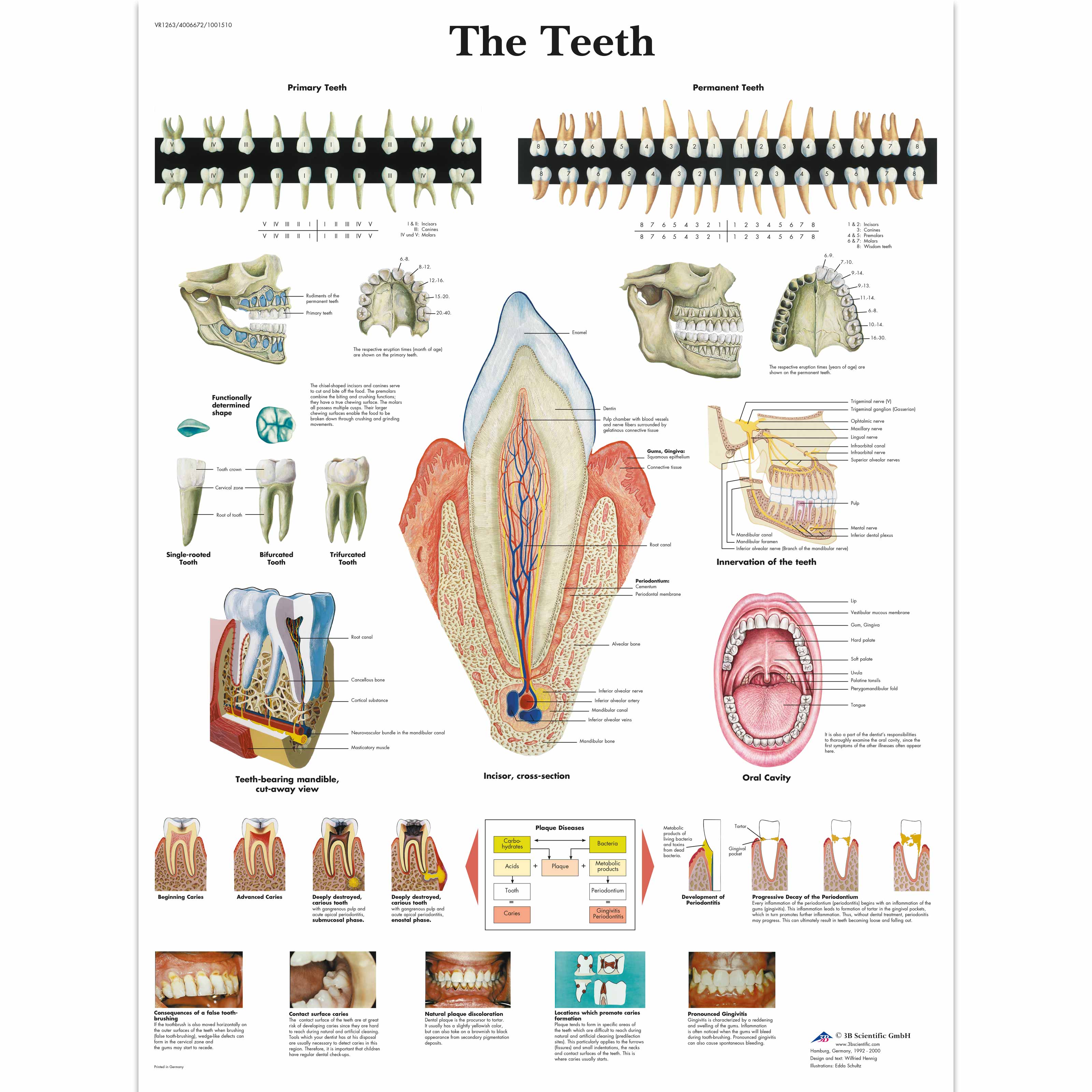
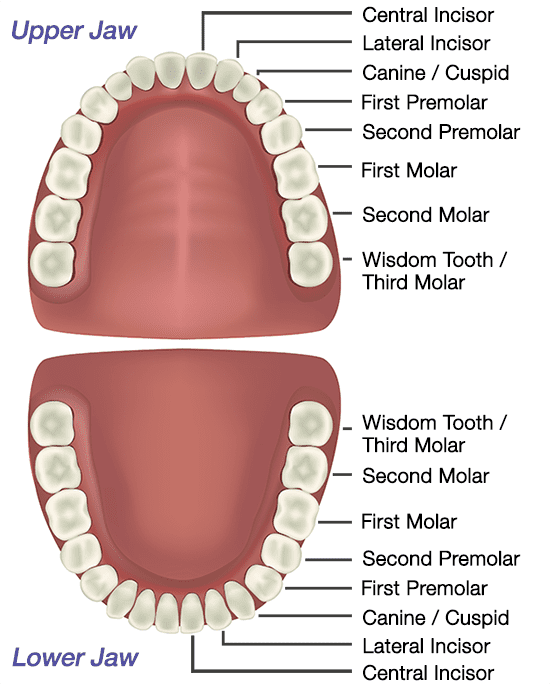
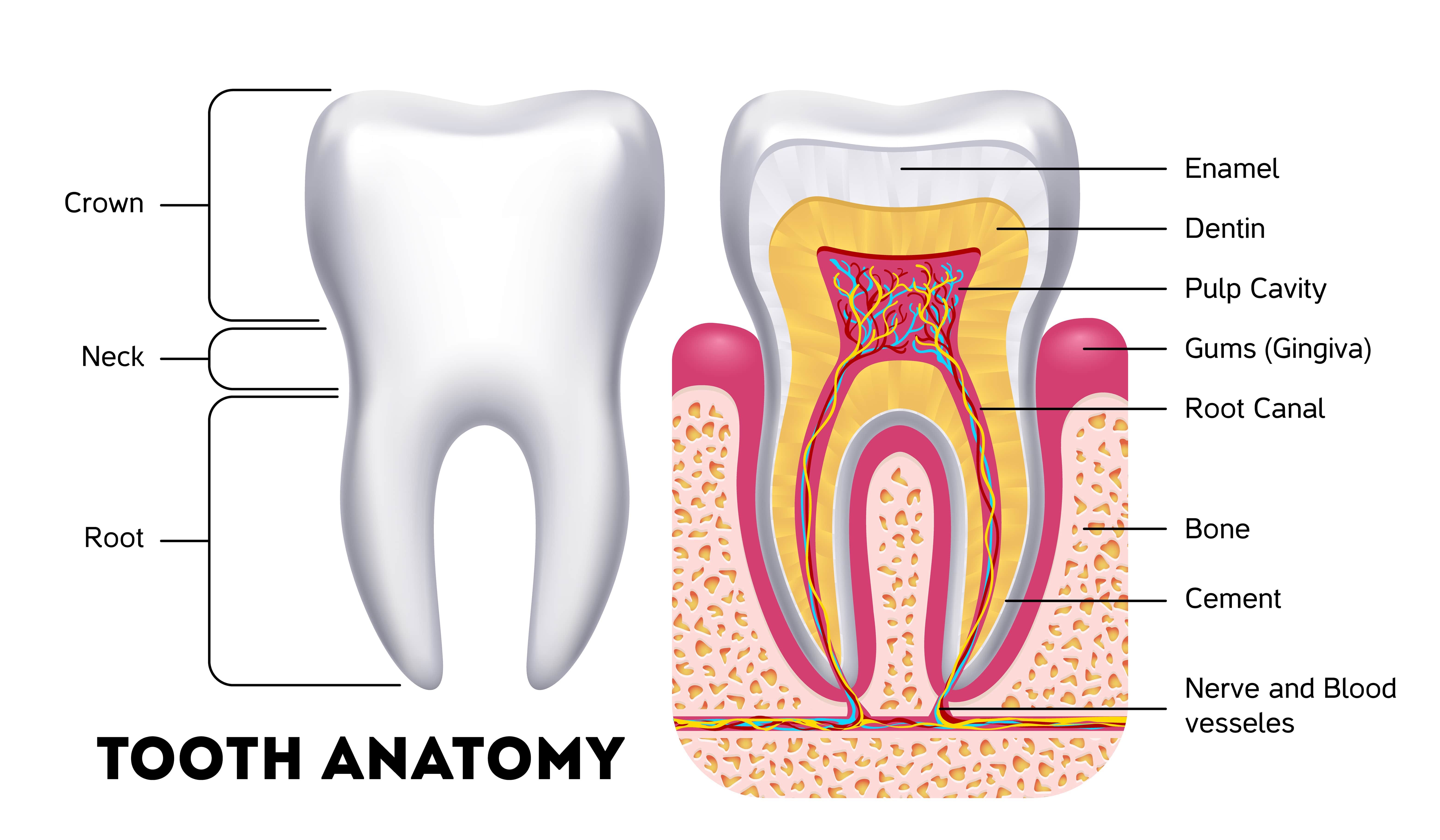
Dental Anatomy Chart - Named as follows from the dental midline outwards: Though they look more like bones, teeth are actually ectodermal organs. Human teeth grow not just once, but twice during an adult’s lifespan! (the function of teeth as they contact one another falls elsewhere, under dental occlusion.) This article will explain the different types of human teeth, their function, and how they're charted by dental professionals to help track of changes in your dental health. Web teeth are classified into four major groups: This is the part of the tooth that we see in the mouth. Tooth avulsion and enamel erosion). The crown and the root meet at the neck of the tooth, which is normally just below the gum margin. Teeth are important for breaking down food before we swallow it. The canines have the largest and strongest roots. This diagram helps us learn the names of each tooth, the. The permanent dentition is composed of 32 teeth with 16 in each arch. The development, appearance, and classification of teeth fall within its field of study, though dental occlusion, or contact between teeth, does not. Web dental anatomy is a field of anatomy dedicated to the study of human tooth structures. Teeth are important for breaking down food before we swallow it. The upper teeth are often referred to as the maxillary teeth, and are found along the alveolar ridge of the maxilla. Web anatomy of a tooth. Web the teeth and their parts: Learn about the types of teeth in a fast and efficient way using our interactive tooth identification quizzes and labeled diagrams. When identifying teeth and referring to specific areas of a tooth, it is necessary to utilize named surfaces and directions designated according to where it is located. It serves as a valuable reference tool for dental professionals and patients alike, enhancing understanding of tooth structure and function. Each tooth has a crown and a root. The development, appearance, and classification. Incisors, canines, premolars, and molars. They are essential structures for the mechanical breakdown of food, as well as support of facial features. Web a comprehensive guide to teeth including types of teeth, tooth anatomy, tooth surface terminology and clinical relevance (e.g. Web overview of tooth anatomy. Tooth avulsion and enamel erosion). Each tooth has a crown and a root. Web overview of tooth anatomy. Web the teeth are divided into four quadrants within the mouth, with the division occurring between the upper and lower jaws horizontally and down the midline of the face vertically. Dental anatomy is a field of anatomy dedicated to the study of tooth structure. Each tooth has. Web a free dental library of interactive 3d models for dental education including dental anatomy, occlusion, prosthodontics and endodontics. The upper teeth are often referred to as the maxillary teeth, and are found along the alveolar ridge of the maxilla. Web dental anatomy is a field of anatomy dedicated to the study of human tooth structures. Human teeth grow not. The first thing to know is that most normal adult mouths contain 32 teeth. Tooth avulsion and enamel erosion). Teeth are important for breaking down food before we swallow it. Fully labeled illustrations of the teeth with dental terminology (orientation, surfaces, cusps, roots numbering systems) and detailed images of each permanent tooth. Speed up your learning with interactive quizzes. Named as follows from the dental midline outwards: Let’s start with an exterior look at tooth anatomy, starting with the root, the neck, and the crown! (the function of teeth as they contact one another falls elsewhere, under dental occlusion.) The root of a tooth is composed mostly of dentin, which is covered in cementum. Web there are five teeth. Web anatomy of a tooth. Web tooth diagram labeled. Speed up your learning with interactive quizzes. The root of a tooth is composed mostly of dentin, which is covered in cementum. Web teeth names include incisors, canines, premolars, and molars. Human teeth grow not just once, but twice during an adult’s lifespan! Web this dental anatomy chart provides a comprehensive and lifelike representation of permanent human teeth, including incisors, canines, premolars, and molars. Web a free dental library of interactive 3d models for dental education including dental anatomy, occlusion, prosthodontics and endodontics. Tooth avulsion and enamel erosion). Each tooth has. Web anatomy of a tooth. Dental anatomy is a field of anatomy dedicated to the study of tooth structure. There are four main types of teeth in humans, shown labelled here. We’ll also go over some common conditions that can affect your teeth, and we’ll list common symptoms to watch for. Speed up your learning with interactive quizzes. These teeth are referred to as letters a, b, c, d and e. Let’s start with an exterior look at tooth anatomy, starting with the root, the neck, and the crown! It is made up of the enamel, dentine and pulp. Incisors, canines, premolars, and molars. The permanent dentition is composed of 32 teeth with 16 in each arch. Web overview of tooth anatomy. In the tooth anatomy, we can find four types of teeth, each with a different job. Speed up your learning with interactive quizzes. Temporomandibular joint posters and much more are also available. Web teeth diagrams labeled and unlabeled. This article will explain the different types of human teeth, their function, and how they're charted by dental professionals to help track of changes in your dental health. Fully labeled illustrations of the teeth with dental terminology (orientation, surfaces, cusps, roots numbering systems) and detailed images of each permanent tooth. The first thing to know is that most normal adult mouths contain 32 teeth. Web this dental anatomy chart provides a comprehensive and lifelike representation of permanent human teeth, including incisors, canines, premolars, and molars. Tooth avulsion and enamel erosion). Web most adults have 32 permanent teeth, including eight incisors, four canines, eight premolars and 12 molars. The root of a tooth is composed mostly of dentin, which is covered in cementum. Let’s start with an exterior look at tooth anatomy, starting with the root, the neck, and the crown! Web teeth names include incisors, canines, premolars, and molars. These teeth are referred to as letters a, b, c, d and e. They are essential structures for the mechanical breakdown of food, as well as support of facial features.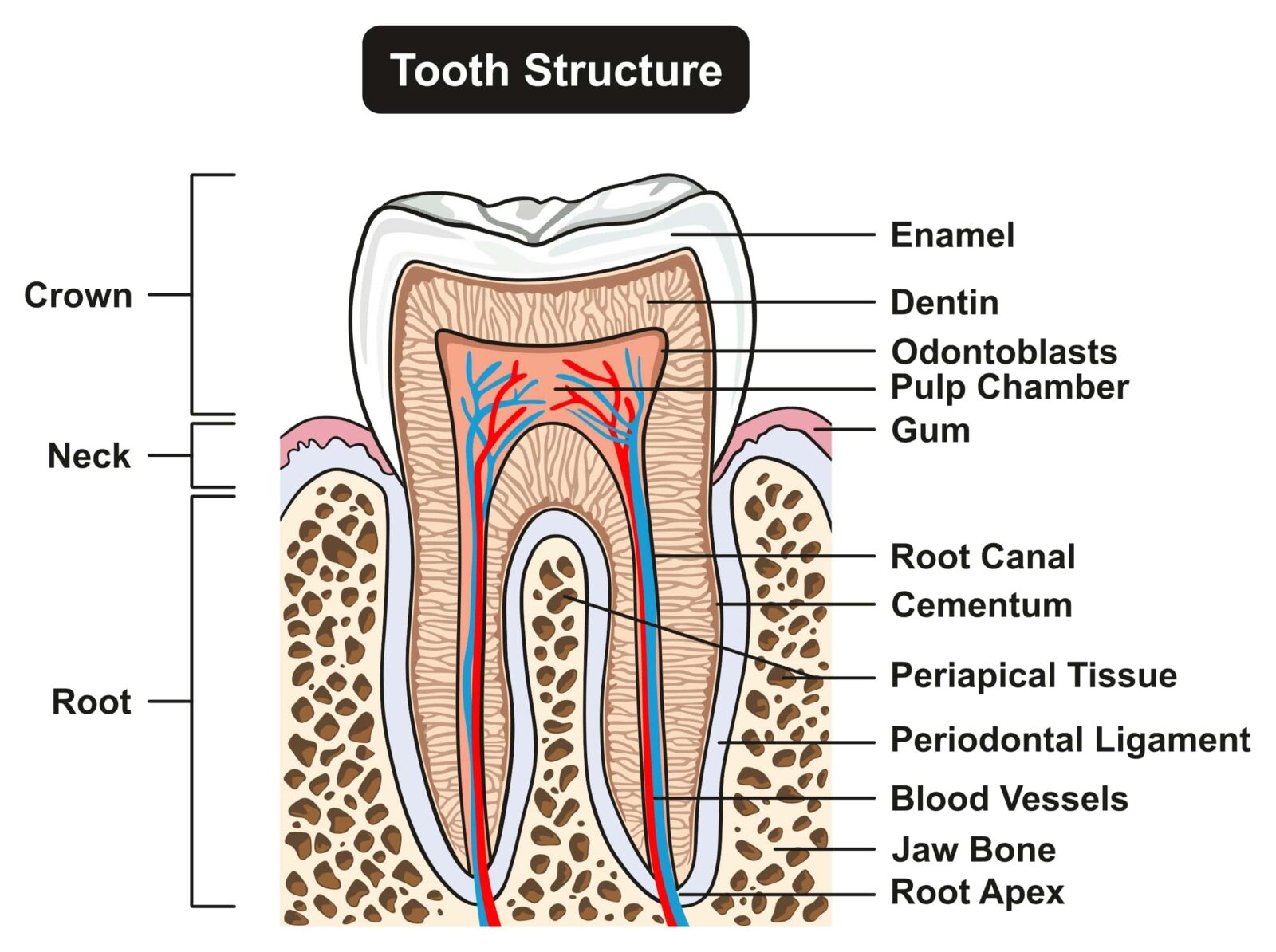
What's Inside Your Teeth? Acorn Dentistry For Kids
Anatomical Charts and Posters Anatomy Charts Dental Charts The

The Different Types of Teeth Stonehaven Dental
Tooth Anatomy Gosford, Experienced Dentists VC Dental
The Anatomy Of A Tooth In Four Parts Arc Dental

Dental Anatomy Study Guide (8.5" X 11") 3Panel, Laminated

Tooth Anatomy Poster Behance
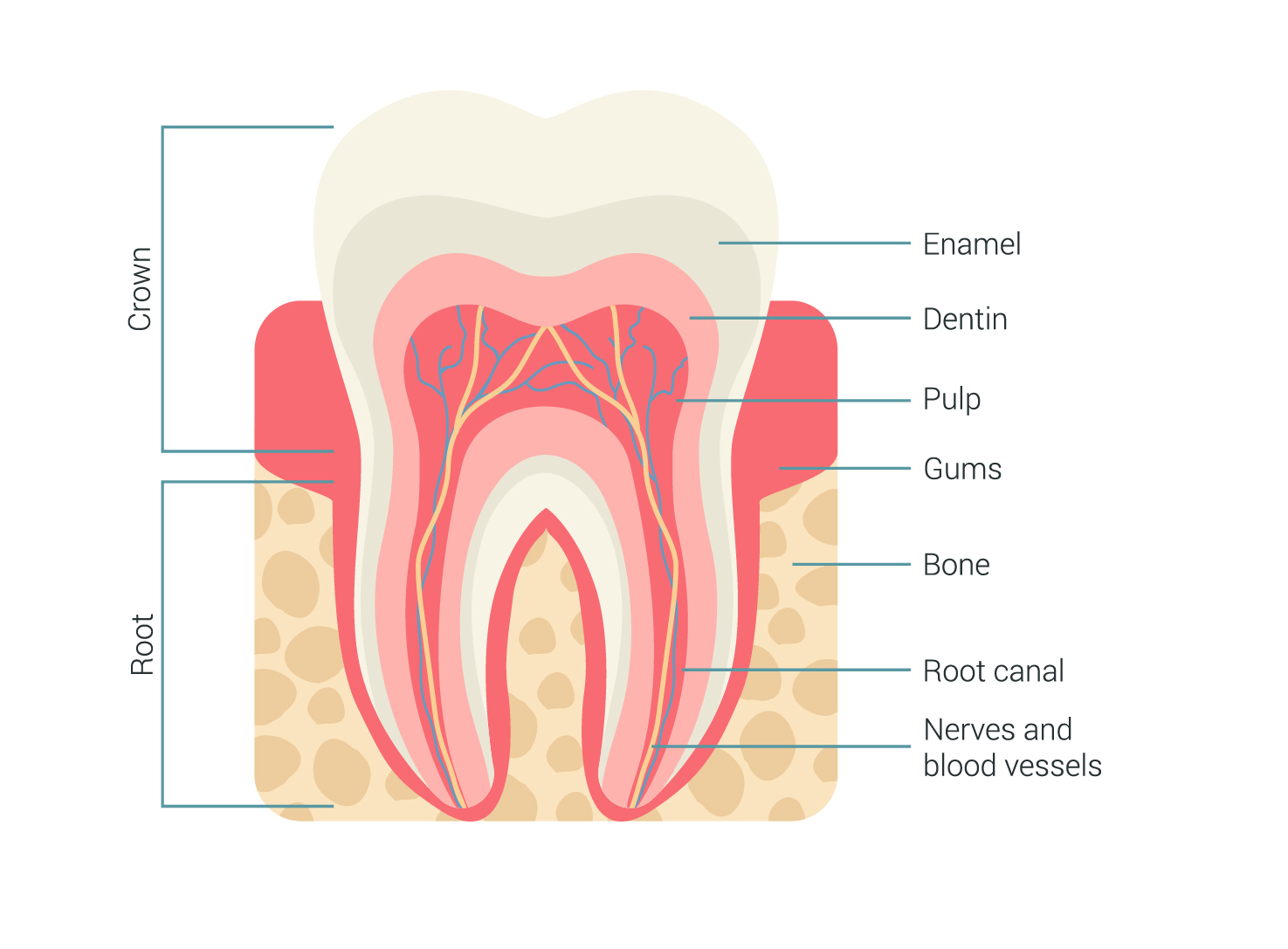
Tooth Anatomy Milford Family Dentistry

Dental anatomy reference_guide

Dental Anatomy Chart Teeth Jaw Poster Tooth Anatomical
The Crown And The Root Meet At The Neck Of The Tooth, Which Is Normally Just Below The Gum Margin.
Most People Have 32 Teeth, But That Can Vary.
(The Function Of Teeth As They Contact One Another Falls Elsewhere, Under Dental Occlusion.)
Each Tooth Has Two Main Parts, The Crown And The Root.
Related Post: