
Conduit Shrinkage Chart
Conduit Shrinkage Chart - On the conduit, measure from the free end to be bent up the calculated number and mark the conduit. The code further specifies that the total of all bends in a conduit run must not exceed 360°. Figure 5 illustrates the geometry of the situation. Measure the distance from the last coupling to the obstruction. Web one of the more common bends made in electrical conduit is the offset bend. Tools & supplies you need. Remember to ignore the shrink when working away from the obstruction, but be sure to consider it when working into it. Locates the center of a saddle bend. We know that a = 4 and angle d = 22.5º. Master bending measurements, calculations, techniques, and troubleshooting common issues with our comprehensive cheat sheet. Add this figure to the center of bend measurement of 1st conduit. Web you must also consider that the conduit shrinks due to the detour. Web when bending two or more offsets it is necessary to advance the centers of the bends for the progressive conduits in order to maintain an equal center to center spacing. The national electric code (nec) specifies a minimum radius for conduit bends in order to avoid damage to both the conduit and conductors. Master bending measurements, calculations, techniques, and troubleshooting common issues with our comprehensive cheat sheet. Remember to ignore the shrink when working away from the obstruction, but be sure to consider it when working into it. On the conduit, measure from the free end to be bent up the calculated number and mark the conduit. Web you must also consider that the conduit shrinks due to the detour. Klein tools has provided the correct stub height on each bender head. Shrinkage (%)= (100−98 / 100)×100=2% this means the conduit has experienced a 2% shrinkage in length due to the change in temperature. Web when bending two or more offsets it is necessary to advance the centers of the bends for the progressive conduits in order to maintain an equal center to center spacing. Figure 5 illustrates the geometry of the situation. Add the “shrink amount”from the table on How to bend conduit & pipe with a bender. Mark the distance on the. The first bend should be made at (c), put (star) or b at (c). Web what is the conduit shrinkage—that is, the amount by which the center of the bend will be closer to the end of the conduit than the measured length of pipe? On the conduit, measure from the free end to be bent up the calculated number. Remember to ignore the shrink when working away from the obstruction, but be sure to consider it when working into it. We know that a = 4 and angle d = 22.5º. Bending conduit can be frustrating without the proper materials. Plus you eliminate the need for costly conduit elbows when you make your own bends. How to bend conduit. Ed with stub, offset and outer marks. Web learn the basics of conduit bending, types of conduits, tools required, and safety precautions. Web what is the conduit shrinkage—that is, the amount by which the center of the bend will be closer to the end of the conduit than the measured length of pipe? Web what is the conduit shrinkage—that is,. Using the offset height (z) times angle multiplier (chart below) subtract this amount from the. Web what is the conduit shrinkage—that is, the amount by which the center of the bend will be closer to the end of the conduit than the measured length of pipe? Your ideal bender has engineered features which include: The cosecant of angle is the. Web there are shortcuts for a lot of the constants like shrink or multiplier that can be done on a calculator. But by using a pipe and conduit bender, even the most problematic angles can be made simple; Subtract distance between bends and mark point (x). Web one of the more common bends made in electrical conduit is the offset. Web learn the basics of conduit bending, types of conduits, tools required, and safety precautions. Web determining shrink values for kicked 90s is the same as figuring for offsets. We know that a = 4 and angle d = 22.5º. This page incorporates a comprehensive conduit bending guide and describes how to bend an offset using multipliers. This document will. Web what is the conduit shrinkage—that is, the amount by which the center of the bend will be closer to the end of the conduit than the measured length of pipe? Remember to ignore the shrink when working away from the obstruction, but be sure to consider it when working into it. Frequently asked questions (faqs) q: Measure the distance. Web there are shortcuts for a lot of the constants like shrink or multiplier that can be done on a calculator. This document will walk a beginning electrician through the steps to bend emt tubing with a hand emt tubing bender. To calculate conduit shrinkage, multiply the offset distance by the shrink per inch value. Frequently asked questions (faqs) q:. Figure 5 illustrates the geometry of the situation. Add this figure to the center of bend measurement of 1st conduit. To calculate conduit shrinkage, multiply the offset distance by the shrink per inch value. Mark this length on conduit (c). Subtract distance between bends and mark point (x). To calculate conduit shrinkage, multiply the offset distance by the shrink per inch value. 4.5/5 (1,511 reviews) Web this will only work on 1⁄2” or 3⁄4” pvc and only for small bends, but it is fast and pretty accurate. How to bend conduit & pipe with a bender. Web learn the basics of conduit bending, types of conduits, tools required, and safety precautions. Web there are shortcuts for a lot of the constants like shrink or multiplier that can be done on a calculator. Frequently asked questions (faqs) q: We know that a = 4 and angle d = 22.5º. Indicates the back of a 90° bend. Shrinkage (%)= (100−98 / 100)×100=2% this means the conduit has experienced a 2% shrinkage in length due to the change in temperature. For offsets, saddles and those special situations. Web one of the more common bends made in electrical conduit is the offset bend. Web multiplier per angle of bend (see table 2) to determine distance between bends. Plus you eliminate the need for costly conduit elbows when you make your own bends. Figure 5 illustrates the geometry of the situation. Web when bending two or more offsets it is necessary to advance the centers of the bends for the progressive conduits in order to maintain an equal center to center spacing.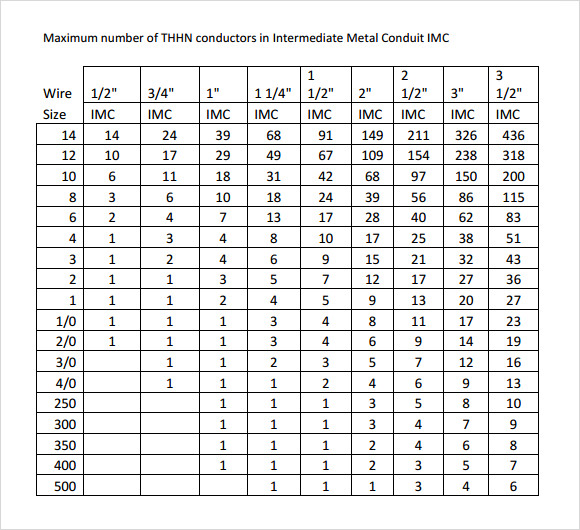
FREE 9+ Sample Conduit Fill Chart Templates in PDF
.png)
Emt Conduit Bending Chart

How To Bend Conduit change comin

3/4 Emt Shrinkage Chart
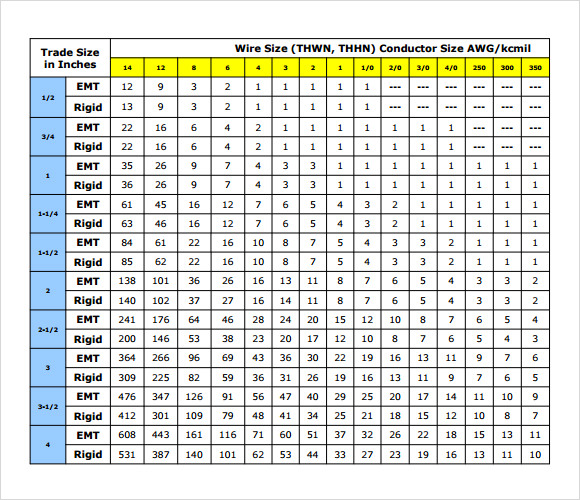
FREE 9+ Sample Conduit Fill Chart Templates in PDF

Rigid Conduit Dimension Chart

Electrical Conduit Math Math Encounters Blog

Emt Conduit Bending Chart

Electrical Conduit Math Math Encounters Blog
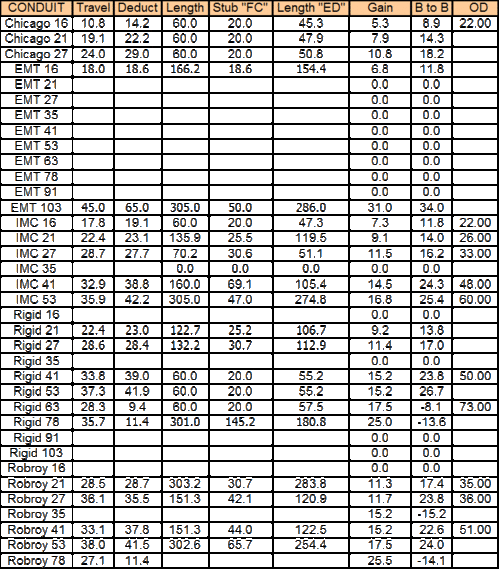
Emt Pipe Bending Chart
Web These Shrinkage Multiplier Values Can Be Calculated Using The Calculator Below By Setting The Radius To 0 And Adjusting The Angle.
Add The “Shrink Amount”From The Table On
On The Conduit, Measure From The Free End To Be Bent Up The Calculated Number And Mark The Conduit.
Tools & Supplies You Need.
Related Post: