
Cello Position Chart
Cello Position Chart - Celloguide note chart created date: Web cello fingering position charts. Web below are two cello position fingering charts for the 'four finger' positions (traditionally called 1/2 through 4th position). Web notes on the cello go in half steps, so every finger is a half step note apart from the previous one. It is all the more astonishing how precisely practiced cellists target certain points on the fingerboard with millimeter precision. Web fingering chart open string c open string g open string d open string a 0 c# / db g# / ab d# / eb a# / bb 1 d a e b 2 d# / eb a# / bb f c 3 e b f# / gb c# / db 4 f c g d 5 f# / gb c# / db g# / ab d# / eb 6 g d a e 7 g# / ab d# / eb a# / bb f 8 a e b f# / gb 9 a# / bb f c g 10 b f# / gb c# / db g# / ab 11 c g d a 12. It displays the four main positions and the corresponding notes that can be played in each position using the fingers of the left hand. Web 5th position cello fingering chart. Web 5th through 7th positions are transitional positions (thumb behind neck, slanted fingers, no 4th finger used) after 7th position are the thumb positions. The advanced chart includes two possible notations. It is all the more astonishing how precisely practiced cellists target certain points on the fingerboard with millimeter precision. For me, there are three flavors of 5th position: Celloguide note chart created date: Web to view a chart of basic positions, visit our cello fingering chart. It displays the four main positions and the corresponding notes that can be played in each position using the fingers of the left hand. Web a cello fingering chart for positions is a visual representation of the finger placements and corresponding notes on the cello’s fingerboard. Free cello note charts and shifting exercises. The image below (from the cello companion) shows the notes for the first 7 positions on the cello for the four strings (with the top being the nut and the bottom toward the bridge). Web 5th through 7th positions are transitional positions (thumb behind neck, slanted fingers, no 4th finger used) after 7th position are the thumb positions. While celloguide’s note chart includes all notes through fourth position, only first and fourth position and their fingering are marked separately. Web this document is a chart showing the positions and notes on a cello fingerboard. Due to the length of the cello fingerboard, finger extensions are often used in cello music and are generally necessary when playing more than two consecutive whole tones in one position. One is advanced and the other is simplified. The 27 cards include every chromatic. There are different ways of organizing the 5th position finger configurations that may vary from musician to musician. One set of cello flashcards. Use these positions like big landmarks. Web to view a chart of basic positions, visit our cello fingering chart. Web fingering chart open string c open string g open string d open string a 0 c# /. Web learn your way around the cello fingerboard with these studies on cello positions: R cello notes fingerboard map!cello guide ©2017 celloguide.com. Web cello fingering position charts. Celloguide note chart created date: Tips and ideas are included for learning how to map out the fingerboard. Familiarize yourself with the three primary finger position areas on the cello fingerboard. For me, there are three flavors of 5th position: The image below (from the cello companion) shows the notes for the first 7 positions on the cello for the four strings (with the top being the nut and the bottom toward the bridge). Use these positions like. Web this document is a chart showing the positions and notes on a cello fingerboard. Web below are two cello position fingering charts for the 'four finger' positions (traditionally called 1/2 through 4th position). Normal, extended and upper normal. Web notes on the cello go in half steps, so every finger is a half step note apart from the previous. It displays the four main positions and the corresponding notes that can be played in each position using the fingers of the left hand. Use these positions like big landmarks. Celloguide note chart created date: This is the most common position system. Web 5th through 7th positions are transitional positions (thumb behind neck, slanted fingers, no 4th finger used) after. Web 5th through 7th positions are transitional positions (thumb behind neck, slanted fingers, no 4th finger used) after 7th position are the thumb positions. The fingers are in half steps unless an x is indicated. The fingers are in half steps unless an x is indicated. Web the cello fingerboard is a piece of hardwood about 22.7 inches (57.5 cm). Celloguide note chart created date: The fingers are in half steps unless an x is indicated. The image below (from the cello companion) shows the notes for the first 7 positions on the cello for the four strings (with the top being the nut and the bottom toward the bridge). Web an overview of how the notes on the cello. The image below (from the cello companion) shows the notes for the first 7 positions on the cello for the four strings (with the top being the nut and the bottom toward the bridge). Web the cello fingerboard is a piece of hardwood about 22.7 inches (57.5 cm) long. It is all the more astonishing how precisely practiced cellists target. Web 5th through 7th positions are transitional positions (thumb behind neck, slanted fingers, no 4th finger used) after 7th position are the thumb positions. The image below (from the cello companion) shows the notes for the first 7 positions on the cello for the four strings (with the top being the nut and the bottom toward the bridge). The x. Use these positions like big landmarks. Celloguide note chart created date: Familiarize yourself with the three primary finger position areas on the cello fingerboard. The x = a whole step stretch. The advanced chart is more complete than the simplified one. It is all the more astonishing how precisely practiced cellists target certain points on the fingerboard with millimeter precision. The fingers are in half steps unless an x is indicated. Due to the length of the cello fingerboard, finger extensions are often used in cello music and are generally necessary when playing more than two consecutive whole tones in one position. R cello notes fingerboard map!cello guide ©2017 celloguide.com. Tips and ideas are included for learning how to map out the fingerboard. Web to view a chart of basic positions, visit our cello fingering chart. The image below (from the cello companion) shows the notes for the first 7 positions on the cello for the four strings (with the top being the nut and the bottom toward the bridge). One set of cello flashcards. The x = a whole step stretch. It is a fundamental reference tool for cellists at all levels, from beginners to advanced players. There are no markings or frets to show the player where to place their fingers.
Cello finger positions Cello sheet music, Violin lessons, Cello music
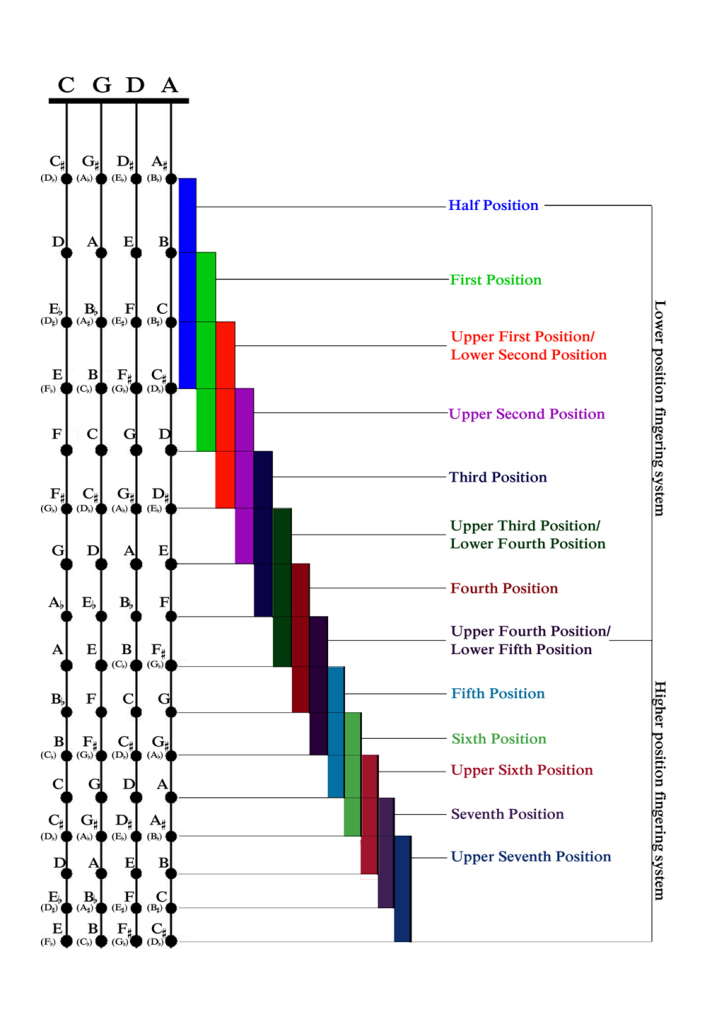
Cello Fingering Position Charts
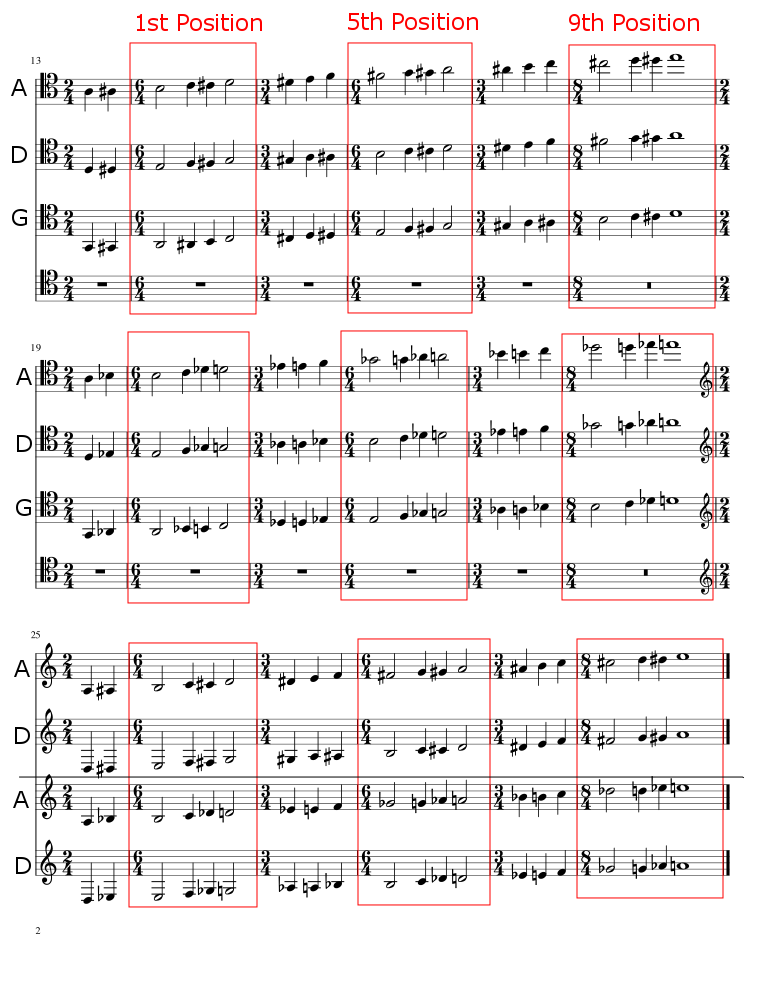
Cello Fingering Position Charts

Finger Chart For Cello

How to Play 4TH position on CELLO Level Up Skills YouTube
Cello Position Fingering Chart Cello Organology
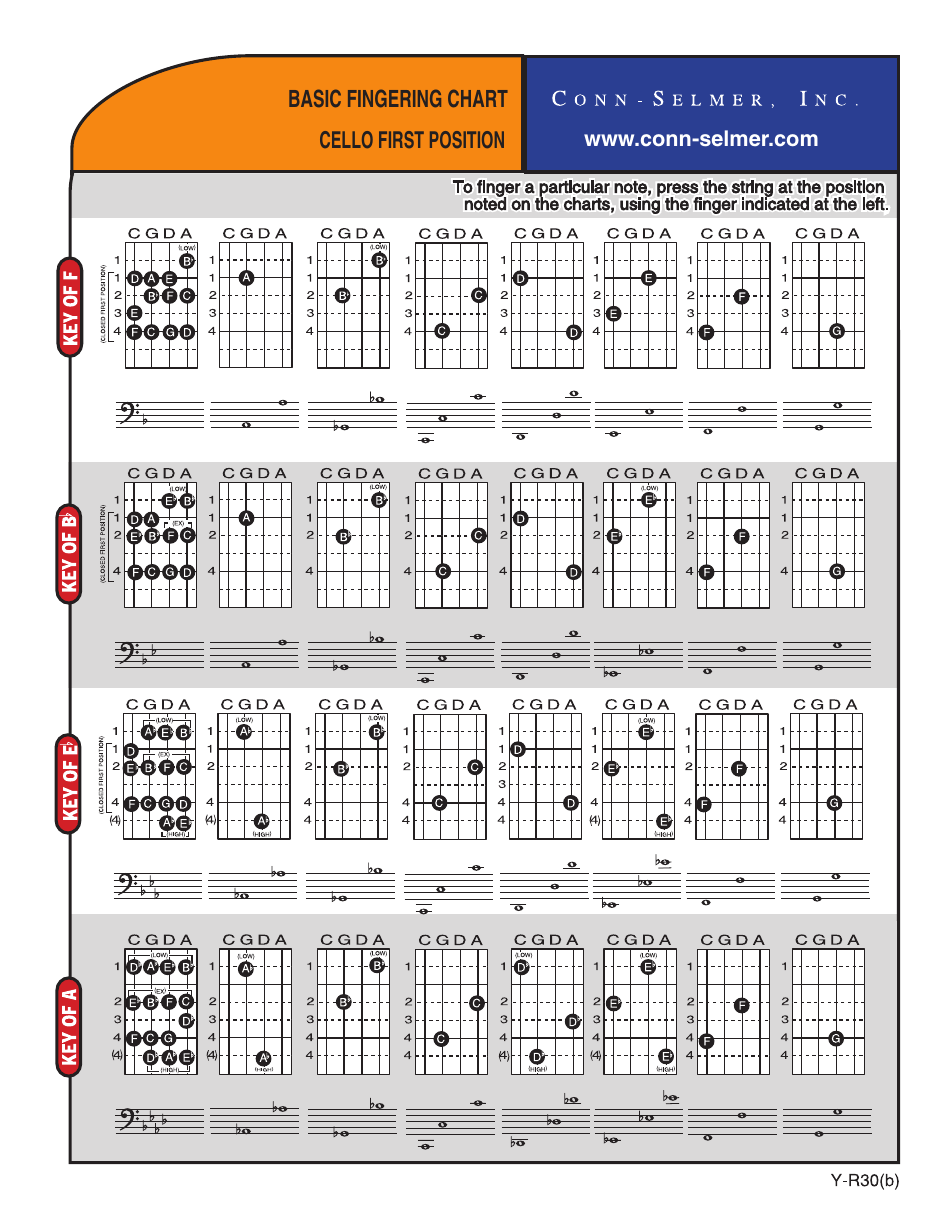
Cello First Position Basic Fingering Chart Download Printable PDF

Pin on Me and My Cello
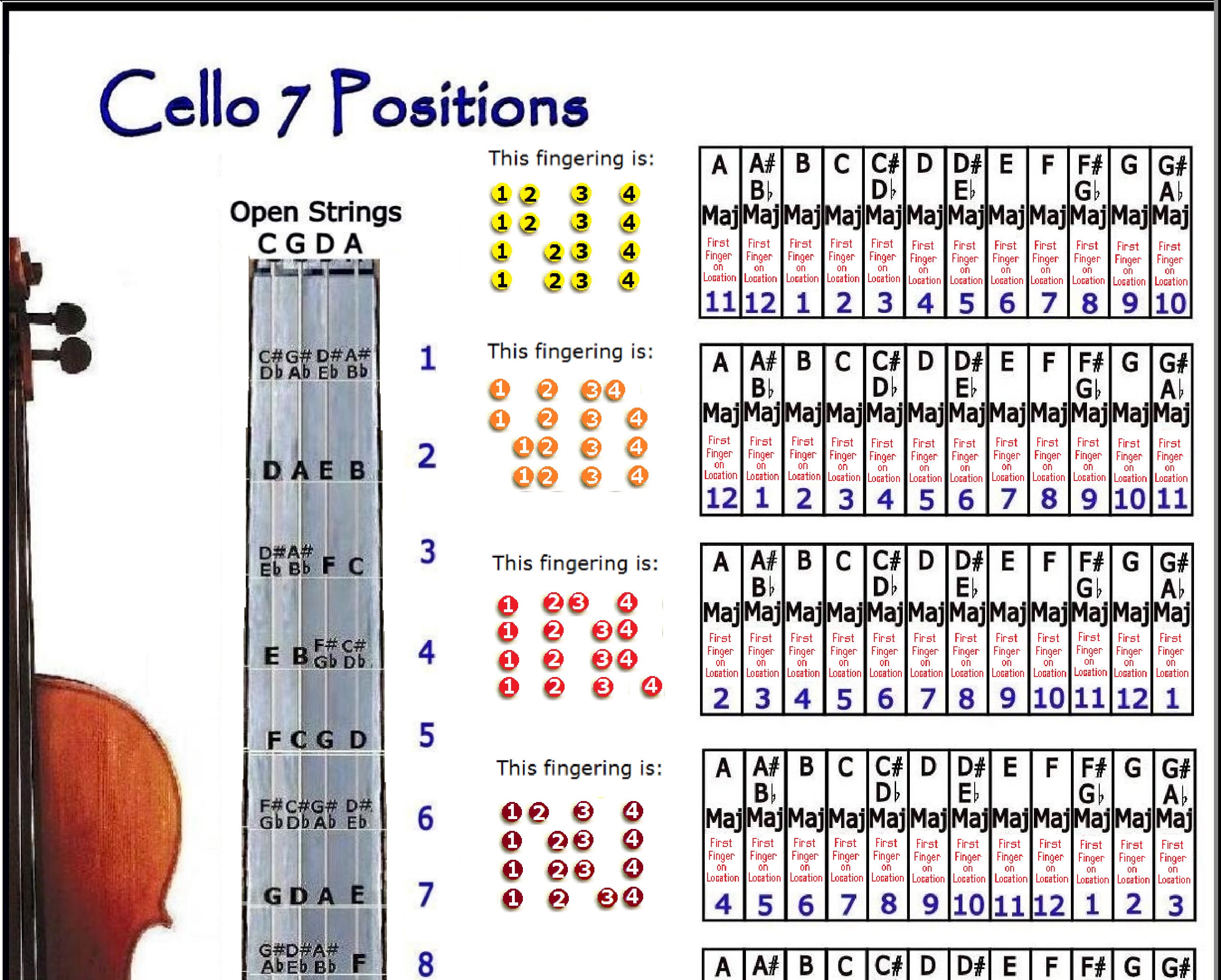
CELLO 7 POSITIONS CHART Etsy

Printable Cello Finger Chart
One Is Advanced And The Other Is Simplified.
Web 5Th Through 7Th Positions Are Transitional Positions (Thumb Behind Neck, Slanted Fingers, No 4Th Finger Used) After 7Th Position Are The Thumb Positions.
Web 5Th Position Cello Fingering Chart.
For Me, There Are Three Flavors Of 5Th Position:
Related Post:
