
Bike Gear Ratio Chart
Bike Gear Ratio Chart - Choose the minimal value of the teeth in the chainring. Web our bike gear calculator can show the ratios for the range of chainrings and cogs teeth so that you can check your bike gear ratios and gear inches in different settings: Gear ratios are like the secret sauce behind the smoothness of your bike ride. Analyze the results to identify the optimal gear ratios for your specific cycling needs and preferences. How do bicycle gear ratios function? Count the number of teeth on the front cog of your bicycle, and select this value in the picker labeled chainring. Includes derailleur gears and internal gear hubs. Wheel circumference) and your strengths is the first step in securing the foundation for performance. How to teach bike gearing to kids. A “standard” chainset for a road bike is typically 53/39, and a standard cassette might be 11/28. Gears on a bike make your rear wheel seem larger or smaller. The rings where the cranks/pedal arms attach at the bottom bracket. Your gear range is 376 % to learn more, visit the learn section. This means that your hardest gear is 53/11 (gear ratio of 4.8), and your easiest is 39/28 (gear ratio of 1.4). Choose the size of your bike wheel and the size of your tires, then input your preferred cadence, and finally input the number of teeth on your chainrings and cassette. Includes derailleur gears and internal gear hubs. Web utilising a number of gears from a gear chart that pertains to your bike set up (e.g. Pick the maximum number, 48, for example. Web shifting tips for beginners. Simply put, your gear ratio compares the number of teeth in your front chainring to the number of teeth in your rear chainring. Web the bicycle gear ratios calculator is a tool that can be used to find the ideal gearing for your bike, based on your preferred cadence and the type of riding you will be doing. How do bicycle gear ratios function? Web graphical gear calculator for bicycle gearing systems. Analyze the results to identify the optimal gear ratios for your. Your highest gear ratio is 4.55. Includes derailleur gears and internal gear hubs. Count the number of teeth on the front cog of your bicycle, and select this value in the picker labeled chainring. The gear inches are how big it seems. The width of your tires; The size of your bike wheel; Count the number of teeth on the front cog of your bicycle, and select this value in the picker labeled chainring. Web this post explains what bicycle gear ratios are (often expressed in gear inches), how they work, what are the needed gear ratio ranges etc. Press the calculate button for your results. Your. Web calculate cycling speeds in kilometers or miles per hour given cadence, chainring, sprocket, tire and wheel sizes. Web the bicycle gear ratios calculator is a tool that can be used to find the ideal gearing for your bike, based on your preferred cadence and the type of riding you will be doing. Web bike gear ratio charts. The rings. A “standard” chainset for a road bike is typically 53/39, and a standard cassette might be 11/28. Web calculate bike gear ratio and speed at different cadence. Gear ratios are like the secret sauce behind the smoothness of your bike ride. Lighter shades are easier (lower) gears, and darker shades are harder (higher) gears. Web the following instructions aim to. The gear inches are how big it seems. To use the calculator, you will need to know the following information: Press the calculate button for your results. Web calculate cycling speeds in kilometers or miles per hour given cadence, chainring, sprocket, tire and wheel sizes. How do bicycle gear ratios function? Simply put, your gear ratio compares the number of teeth in your front chainring to the number of teeth in your rear chainring. The width of your tires; Web calculate cycling speeds in kilometers or miles per hour given cadence, chainring, sprocket, tire and wheel sizes. Web our bike gear calculator can show the ratios for the range of chainrings. Web to use the bicycle gear ratios calculator, follow this step. The size of your bike wheel; Web graphical gear calculator for bicycle gearing systems. Gear ratios are like the secret sauce behind the smoothness of your bike ride. Analyze the results to identify the optimal gear ratios for your specific cycling needs and preferences. Choose the minimal value of the teeth in the chainring. Web our bike gear calculator can show the ratios for the range of chainrings and cogs teeth so that you can check your bike gear ratios and gear inches in different settings: This should allow the calculator to be more useful on mobile devices. Web combining precise calculations and an. Pick the maximum number, 48, for example. Web click “calculate” to generate a list of gear ratios, gear inches, gain ratios, and development values for each gear combination. Analyze the results to identify the optimal gear ratios for your specific cycling needs and preferences. The gear inches are how big it seems. Wheel circumference) and your strengths is the first. Web bikecalc makes it easy to optimize the gearing on your bicycle. Web bike gear ratio chart. Web combining precise calculations and an intuitive design, bikecalc provides you everything you need to analyze and optimize the gearing on your bicycle, saving you time, guesswork and potentially a costly mistake. Web shifting tips for beginners. Plus, you can manage all your gearing configurations in one place. This gives you a way to compare gears on a single bike and also between bikes. This means that your hardest gear is 53/11 (gear ratio of 4.8), and your easiest is 39/28 (gear ratio of 1.4). The rings where the cranks/pedal arms attach at the bottom bracket. Lighter shades are easier (lower) gears, and darker shades are harder (higher) gears. This new revision includes many requested changes. Gear ratio’s in the bike gear ratio chart are determined by dividing the number of teeth on the front chainring by the number of teeth on the rear cog. Choose the size of your bike wheel and the size of your tires, then input your preferred cadence, and finally input the number of teeth on your chainrings and cassette. A “standard” chainset for a road bike is typically 53/39, and a standard cassette might be 11/28. Choose the minimal value of the teeth in the chainring. Web to use the bicycle gear ratios calculator, follow this step. Simply put, your gear ratio compares the number of teeth in your front chainring to the number of teeth in your rear chainring.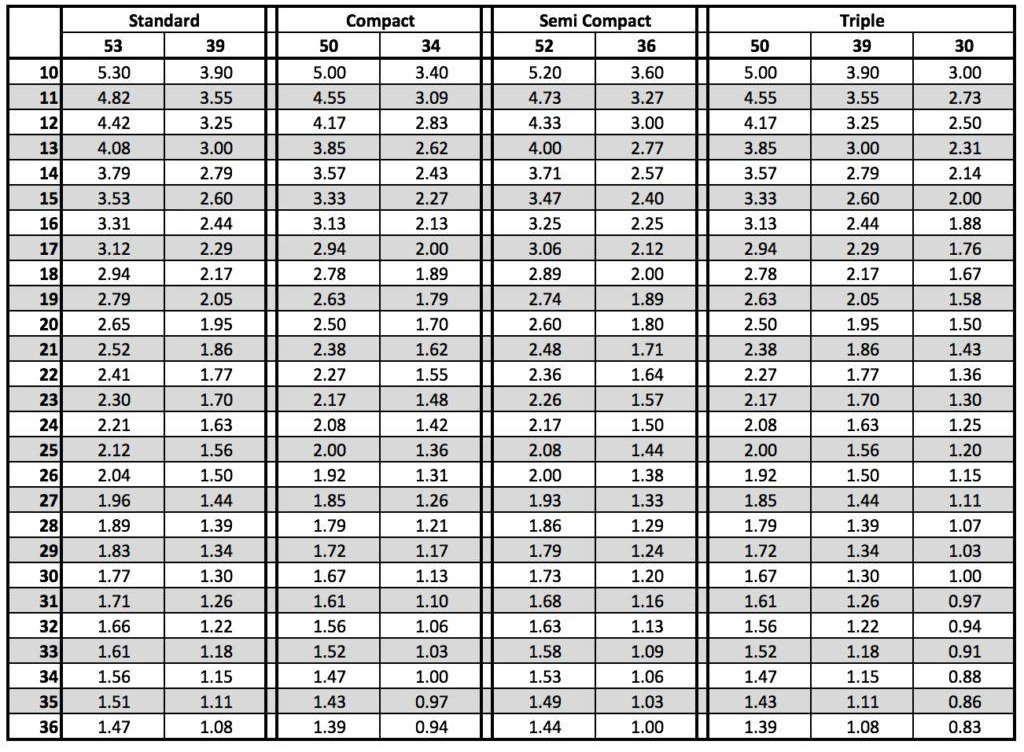
Bike Gears Explained A Beginners Guide To Bike Gears
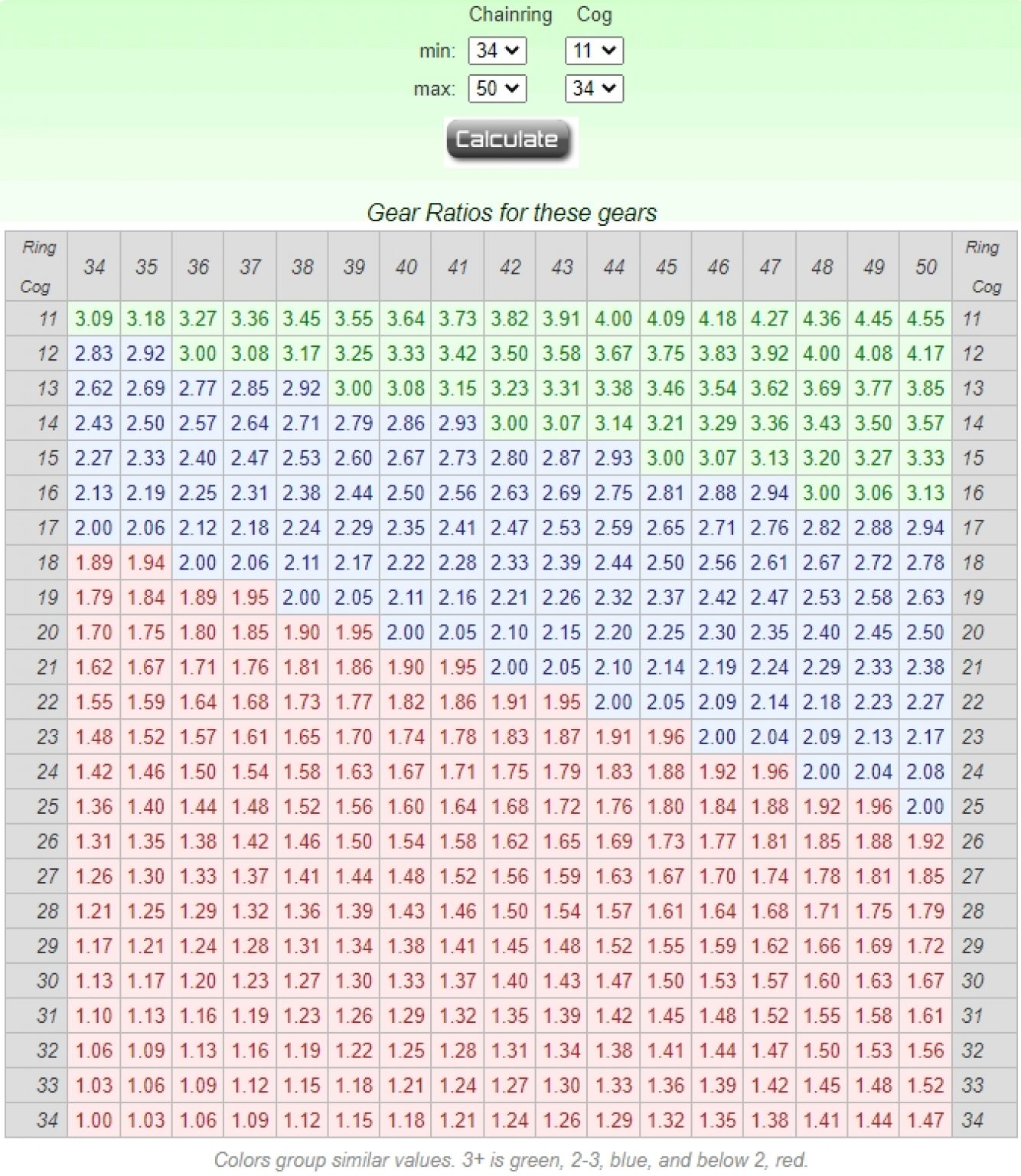
How to Shift Gears on a Bike — An Easy Beginner's Guide
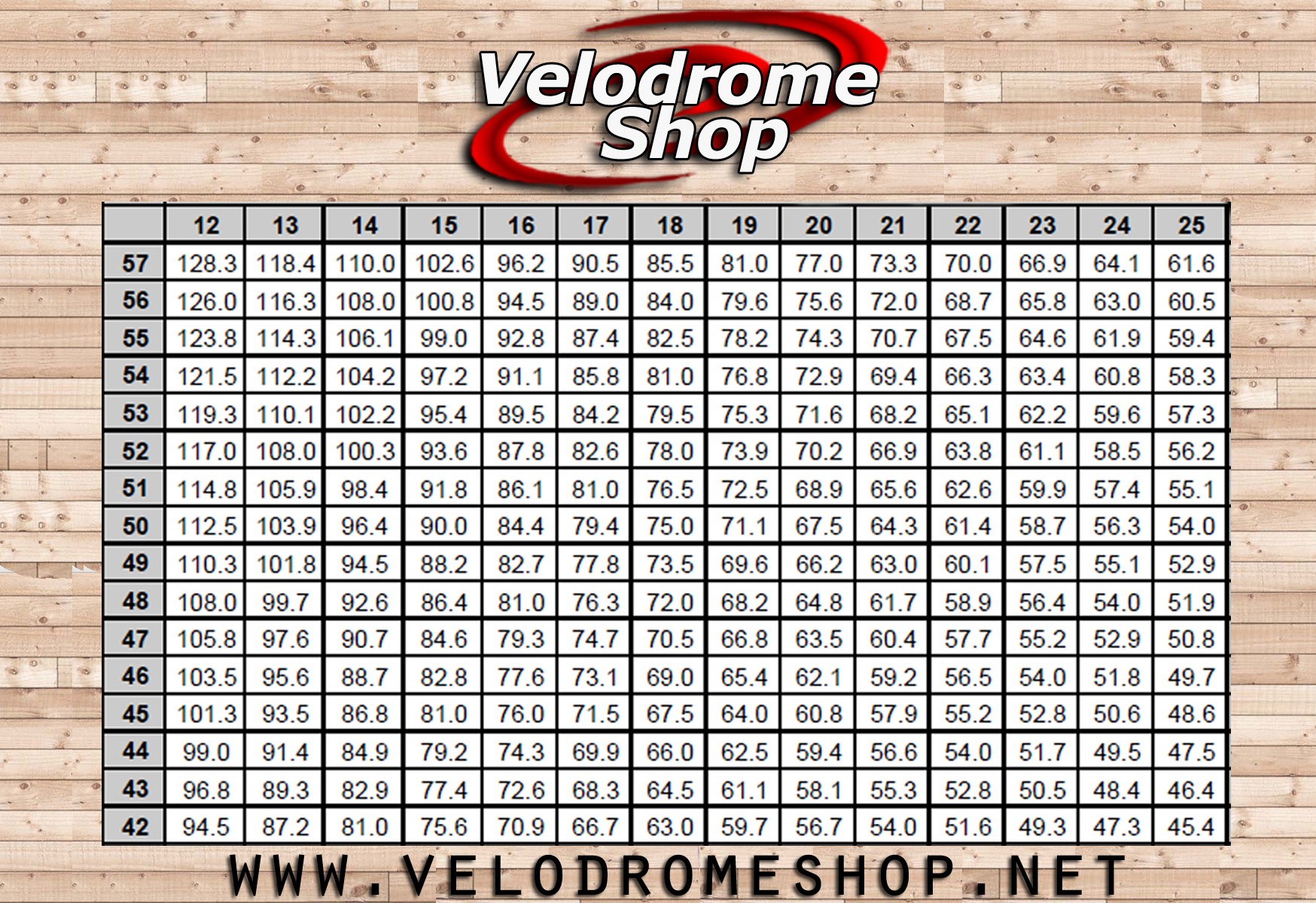
Velodrome Shop Track Cycling Gear Chart

Gear Ratio Poster A Chromatic Guide to Bicycle Gear Ratios… Flickr

Bicycle Bicycle Gearing Chart

Mountain Bike Gear Ratios Explained riypas Mountain Bike Blog
Bicycle Bicycle Gear Ratio Chart

Velodrome Shop Track Cycling Gear Chart
Bicycle Gear Ratio Dynamic Chart

Gear Ratio and Tire Size Chart
The Gear Inches Are How Big It Seems.
Defining Bike Gears And More.
Web Utilising A Number Of Gears From A Gear Chart That Pertains To Your Bike Set Up (E.g.
Analyze The Results To Identify The Optimal Gear Ratios For Your Specific Cycling Needs And Preferences.
Related Post:
